
Meet the 2025 Healthcare Provider Champions - Türkiye
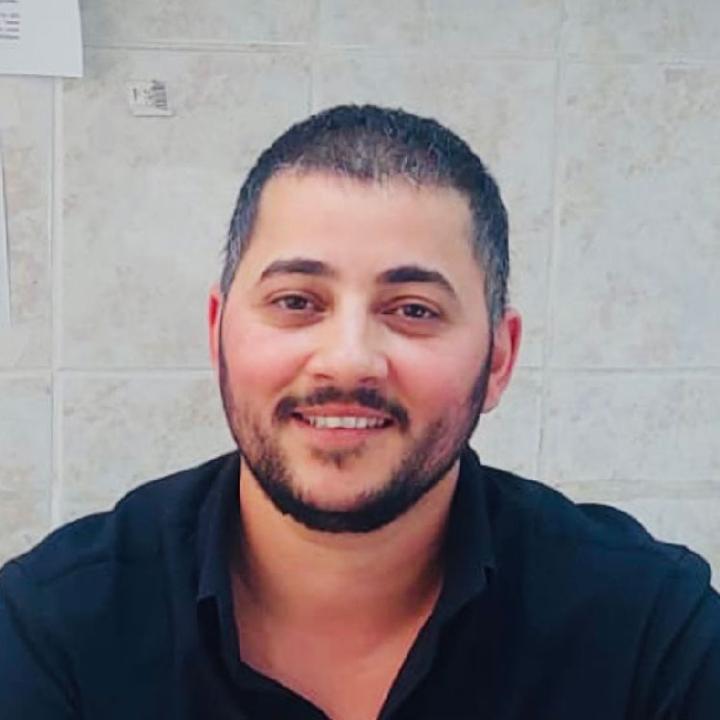

Gökhan Adıgüzel nominated Özgür Kılıç for:
I have been living with HIV for many years.
When I was first diagnosed, I thought my world was going to collapse. But it didn’t take me long to realize that instead of falling apart, I would rise completely from my ashes. I found out I was living with HIV by chance during a blood test before an operation. Afterwards, the health laboratory informed me that I needed to go to a hospital where I could receive the most appropriate treatment and care from qualified healthcare personnel.
During this time, I felt anxious, angry, regretful and deeply sad. I was overwhelmed with thoughts like, “How will my life go on? What kinds of health problems will I face? Will I recover?”
What made it harder was that, in my youth, I had been deeply disturbed by the widespread prejudiced attitudes in society toward conditions like HIV. In fact, without even realizing it, I had worked on this issue myself as part of the Red Ribbon movement. Life is strange! Things can change so quickly.
During this process, I met Nurse Özgür at İzmir Tepecik Training and Research Hospital. On the very first day of my diagnosis, he made a sincere impression on me by reassuring me while giving great importance to confidentiality. He explained in detail what was happening at every stage of diagnosis and treatment, what steps would be taken and what could be done. It didn’t feel like a routine medical explanation – it felt like a warm, genuine conversation between two friends. This way of communicating eased my mind, which was burdened by so many emotions.
This was especially the case when he said, “If you stick to the treatment steps, everything will be fine. This is a scientific fact – there’s no other outcome.” I felt my anxiety start to lift.
From the very beginning, Nurse Özgür’s sincere and friendly approach made me feel that I was seen not as a “patient”, but as a human being. Whenever he saw me waiting in line at the door, he would playfully scold me, saying, “Why are you waiting? Knock and come in. You’re under follow up.” When I couldn’t make it to the hospital, he’d say, “Call or send a message.” Even when I was out of town, he made sure I could get my prescriptions filled.
This behaviour and attitude made me feel truly valued and important. It helped me regain control over the suicidal thoughts I was struggling with at the time and allowed me to come to the hospital with more ease.
There is only one person I want to win this campaign: Özgür Kılıç. Even as I write these lines, I go back to that first day of my diagnosis, sitting hunched over at the table across from him at Tepecik Hospital, and I get emotional.
This campaign was won by Nurse Özgür, whose eyes shine with the purity of his heart and the virtue of his work ethic. Even now, he treats other people living with HIV not just because it’s his job, but because it comes from within.
I sincerely thank Nurse Özgür and all healthcare workers who support us under all circumstances, who never act with prejudice and who make us feel their presence through their kind smiles, good intentions and beautiful energy.
Özgür Kılıç: I am #DoingTheRightThing because…
I have been working as a nurse for 17 years, and for the past 4 years, I have been serving as an HIV nurse while also providing voluntary counselling.
I have always believed that no one should be discriminated against or marginalized because of their sexual identity, race, beliefs or social status.
When I started working at the infectious diseases clinic, I already had knowledge about HIV. But I quickly realized that the challenges faced by people living with HIV went far beyond medical concerns. Many clients were afraid to seek healthcare due to homophobic attitudes they had previously encountered. They were often denied basic services like dental care, dismissed from their jobs when their status was discovered, or charged extra fees for surgeries in private hospitals.
I’ve seen that many of these barriers can be overcome with empathy, sincerity and a supportive approach. I’ve experienced firsthand how deeply healing it can be – for both sides – when we truly connect with people and offer safe, respectful care.
I understand them. And if our clinic has managed to become a safe haven for even one person, if we’ve earned that trust, I feel immense pride in what we do.
I do this job because I want to help eliminate the misinformation, prejudice, stigma and marginalization faced by people living with HIV. I want to contribute to building an equal, just and safe society.
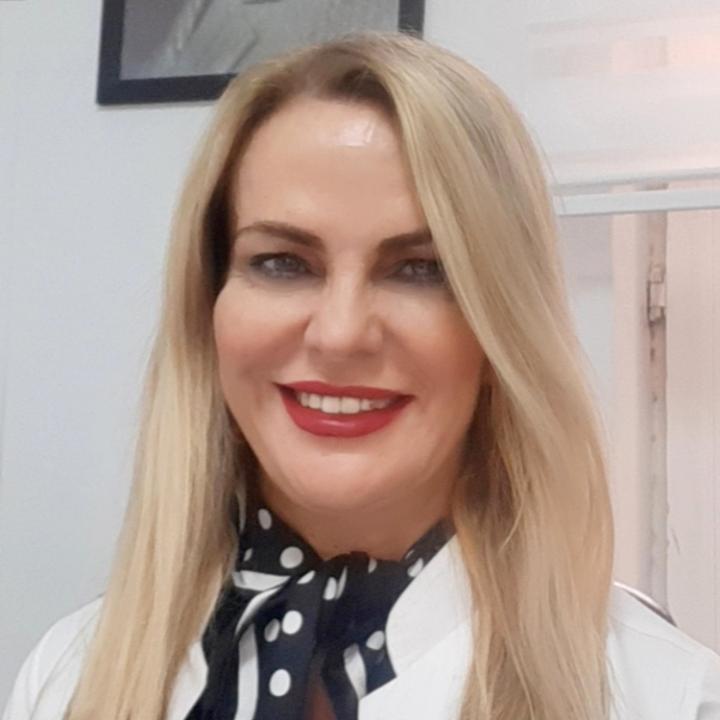
Kız Kulesiii nominated Asuman Şengöz İnan for:
Since the day I met Asuman Şengöz İnan, the fear, uncertainty and anxiety I had inside were replaced with trust, peace and hope. While learning to live with HIV, I realized that what I needed most wasn’t just medical information – it was a reassuring look, a listening ear and a heart free of judgement. Asuman offered all of these at once.
Every time I stepped into the clinic, it felt less like entering a healthcare institution and more like stepping into a space where I felt safe. She didn’t just look at lab results – she looked at the person carrying those results. That’s what makes her so special: she focuses not on the condition but on the human being.
Each time I came to see Asuman Hanım, I felt seen, valued and respected. It’s hard to describe how precious that is for someone living with HIV. Meeting her was a turning point in my life, especially during the initial period after my diagnosis, when I was overwhelmed with fear. Her patience, sincerity and warm smile were just as much a part of my treatment as her medical explanations.
While living with HIV, we often face prejudice, exclusion and ignorance. But Asuman Hanım, with her knowledge, empathy and professionalism, turned all of that around. The support I received from her healed not only my body but also my soul.
I’m so glad she exists. I’m so glad healthcare professionals like her are working in this field. She is not just a doctor – she is a source of hope.
With all my heart, I thank her.
Asuman Şengöz İnan: I am #DoingTheRightThing because…
“Medicine alone is not enough to heal – compassion and care are also essential.”
Becoming a doctor was my childhood dream. While my friends dressed up their dolls as princesses, I was the child giving my dolls medicine and injections, declaring them healed. Even at that early age, I would tell people that one day I would bring truckloads of medicine and doctors to my small town and cure everyone who was sick. That passion still lives within me. Today, I find joy in being an infectious diseases specialist actively working in the field, a medical educator at the university, a researcher collaborating with young colleagues on academic projects, and an HIV activist contributing to community initiatives.
My journey with people living with HIV began in the late 1990s when I started my specialty training. The hospital where I trained provided comprehensive care and had highly experienced physicians. Witnessing the challenges faced by people living with HIV and their loved ones deeply moved me and motivated me to work more closely with them. At that time, treatment required taking handfuls of pills, and clients often suffered from disfiguring side effects like facial wasting and abdominal fat accumulation. What affected me most, however, were their fears – losing their partners, jobs, friends, social lives and dreams for the future. These weren’t irrational worries; tragically, many of them came true.
Today, HIV management has become much easier thanks to modern antiretroviral therapies that are safer and simpler to use. The U=U principle – undetectable = untransmittable,was a revolutionary breakthrough. Yet, even this scientific milestone has not been enough to eliminate stigma and discrimination. In my country, the government unconditionally provides antiretroviral treatment to all insured individuals, and viral suppression rates are high thanks to skilled healthcare professionals. However, due to persistent stigma, only about 50% of people living with HIV have been diagnosed, and new acquisitions continue to rise.
Looking back, I feel privileged to have supported people from the moment of their diagnosis – offering private, compassionate conversations outside of the clinic setting, witnessing the birth and growth of their healthy children, helping them find and maintain employment, being part of their weddings, careers, losses and joys. Watching them live long, fulfilling lives has been the greatest meaning of my own.
At every opportunity – whether speaking to five people or 50 – I continue to raise awareness in high schools, universities, TV programmes and advocacy organizations. I talk about how HIV is transmitted, more importantly how it is not transmitted, the new methods of prevention, and how stigma has no place in the U=U era. Contributing to the development of strong public health policies that combat stigma, improve testing rates and ultimately end the HIV pandemic remains one of my key professional goals and lifelong dreams.
May we all live in a better world.
With hope and love.
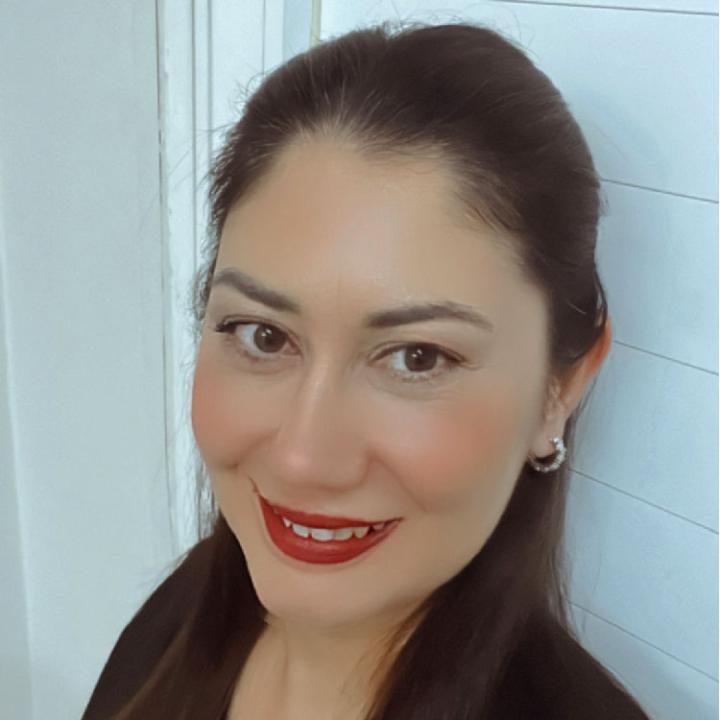
Arya Süel nominated Ceren Özkahya Işık for:
On 5 April 2021, at just 20 years old, I was diagnosed with HIV. At that moment, I thought my life would never be the same again. I walked into the hospital with a thousand questions in my mind and a deep sense of anxiety and loneliness in my heart. At the early stage of my treatment, I was trying to understand what was happening and find a way to adapt.
It was a little later that I met Nurse Ceren. Although she wasn’t there at the very beginning of my treatment, she quickly became an irreplaceable source of support. From the very first moment, she made me feel that I wasn’t alone. She was more than a healthcare professional – she became a companion, a source of strength and a truly sincere friend.
Nurse Ceren was by my side throughout the years of my follow-up care. She personally took care of every detail, from the smallest check up to the most important vaccinations. She administered my vaccines with her own hands and greeted me with a warm smile every time we met. Her care healed not only my body but also my spirit. On days when I felt low, a few kind words from her gave me strength again. With her support, I began to see living with HIV not as a burden but as a “journey”.
And perhaps the most meaningful part is this: Nurse Ceren always took a firm stance against stigma and discrimination. Her unwavering attitude left no room for prejudice toward people living with HIV. She made me feel safe and respected. I was never judged by her – only accepted.
Looking back today, the feelings I once thought I would never escape – fear, despair, isolation – have been replaced with hope, trust and love. Thanks to Nurse Ceren, I healed not only physically but emotionally. I was able to build a life with the person I love and I found the courage to tell him about my HIV status openly, honestly and safely. That was a huge step for me, and Nurse Ceren’s support played an immeasurable role in it.
Recently, I learned about the call for nominations for the Me and My Healthcare Worker Campaign. I cast my vote for Nurse Ceren without a moment’s hesitation. Her presence left a deep, healing impact on my life, and this campaign gave me the chance to express it.
People who leave a positive mark are never forgotten. Nurse Ceren left an unforgettable mark on my life – not just with her professional knowledge, but with her compassion and humanity. I offer her my deepest gratitude. I am truly grateful that our paths crossed. This letter is just a small reflection of my appreciation for her.
Ceren Özkahya Işık: I am #DoingTheRightThing because…
I began my career as a midwife, working in the field of pregnancy and infant health for nearly 15 years. Loving people, building bonds with them and witnessing new life coming into the world brought me great joy. After giving birth to my own triplets, my professional path shifted, and I began working as a nurse in the field of HIV.
I’ve always had strong communication skills and a passion for connecting with people. Offering hope, enhancing quality of life, and making a meaningful difference in someone's journey has always felt deeply fulfilling. I thought to myself, “Why not work in this field?” and quickly updated my knowledge about HIV. My goal was to ensure that people could access healthcare without fear of stigma or discrimination. I realized that people living with HIV needed not only medical care but also psychological and social support – and I made it a priority to address those needs.
For the past two years, I have been working to improve the quality of life for people living with HIV, helping them access and stay engaged with treatment, and raising public awareness. I support my clients in receiving psychological and social assistance, especially because many worry that their HIV status will be exposed due to widespread misinformation. I have had clients who couldn’t cope with these fears – some even considered ending their lives. But through listening, supporting and simply being present, I helped them find their way back to life. In a sense, they were reborn.
For me, being an HIV nurse means reviving hope. Every day, I strive to approach people facing prejudice, stigma and discrimination with compassion, to create a safe space for them and to help improve their well-being. Providing care that is infused with knowledge, empathy and love – and treating my clients not just as a healthcare worker, but also as a true companion – is the deepest and most meaningful reason behind my unwavering dedication to this profession.
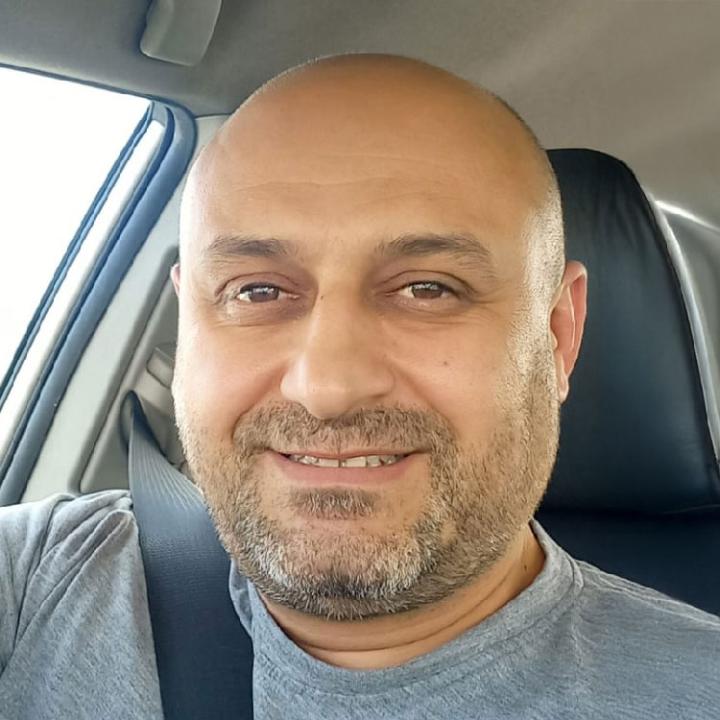
Sevgi Yılmaz nominated Murat Arslan for:
One of the most essential needs for people living with HIV in accessing healthcare services is respect, privacy and a non-judgmental approach. This is exactly where Murat stands out as a pharmacist who makes a real difference.
For many people living with HIV, including myself, Mr Murat’s pharmacy is not just a place to collect medication; it is also a safe, humane space free from stigma. Mr Murat doesn’t just hand out medicine – he approaches his clients with respect, trust and sincerity that reminds them of their worth. By making eye contact, addressing clients by name, strictly adhering to principles of privacy and, most importantly, listening without judgement, he makes people feel seen and valued.
Mr Murat’s approach is not limited to his personal practice. He also educates his colleagues about HIV, raises their awareness and ensures that everyone working at the pharmacy shows the same level of care. As a result, when people living with HIV visit the pharmacy, they are met not only by Mr Murat but by an entire team that treats them with respect and sensitivity.
This approach to service stands as a powerful stance against the discrimination, exclusion and prejudice experienced by people living with HIV. Mr Murat’s way of working becomes a source of strength that supports not only physical health but also mental and emotional well-being.
For people living with HIV, having healthcare professionals like him is vital. In my view, Mr Murat is not just a pharmacist – he is also a symbol of resistance against stigma and an advocate for human dignity.
Murat Arslan: I am #DoingTheRightThing because…
I still remember the day I started working in 1998. The powerful scent of medicine that hit me the moment I stepped into the pharmacy was mesmerizing. The white coats, the colourful boxes, the hundreds of different medications waiting to be discovered – I felt like I was made for this profession. Over the years, I not only became skilled in my work, but also built strong relationships with people, eventually becoming a well-loved figure in the community. As time passed, I grew into the profession I had entered with such enthusiasm. I thought I knew every drug, every illness – or so I believed.
In 2010, a single encounter changed everything. One day, a customer walked into the pharmacy. His name was “T” and his prescription read: HIV. I realized I knew nothing about the medication he needed or about HIV itself. What was HIV? Why did it happen? And why did it intrigue me so much?
That curiosity began to consume me. I had to learn more, but I wasn’t sure how to begin. Should I ask? Should I stay silent? I decided to take a chance. I offered him a coffee and then gathered the courage to start a conversation: “What is HIV? What causes it?” Our eyes met – briefly, yet meaningfully. And then he started talking. He had lived with the diagnosis for some time and spoke with clarity and knowledge. I asked questions and he patiently answered. That conversation was the beginning of a transformation.
Each answer filled in a missing piece. Still, I felt a void. I needed to learn more. After work, I went to an internet café – home internet wasn’t common back then – and typed “HIV” into the search bar. A flood of information appeared. But which source was accurate? What could I trust? What hit me the hardest was realizing the real challenge of HIV – it wasn’t just medical; it was social.
Homophobia, discrimination, stigma, attacks on personal rights ... so many layers of injustice. I learned that HIV could be managed with medication and that people could live long, healthy lives. But how could we fight the social prejudice? That was the real battle.
We needed awareness, education and empathy. Only then could we become a truly modern society. This was what made HIV so difficult – not the virus, but the discrimination. I began to see activists resisting this injustice. In news coverage and public protests, I saw people with painted faces, holding banners, raising their voices. These were individuals who refused to be silenced, who demanded dignity and visibility. And I made a promise to myself: I would never be part of the silence.
Since then, I've met many people living with HIV who have touched my life deeply. We’ve shared pain, tears and laughter. Some became like siblings and others, close friends.
The white coat I wear reminds me daily that everyone deserves equal care. It reminds me to speak in a language people can understand and to nurture trust. I often say, “I’m proud to be a pharmacy technician. I’m proud to distribute health. I’m proud that I’ve helped so many people feel safe and that we’ve become like family. I’m proud that I’ve been able to touch lives and be part of their journey. I’m proud of the work I do.” And I will keep saying it. Because I know – I still have many lives to touch.
No matter what happens, I will never give up.