
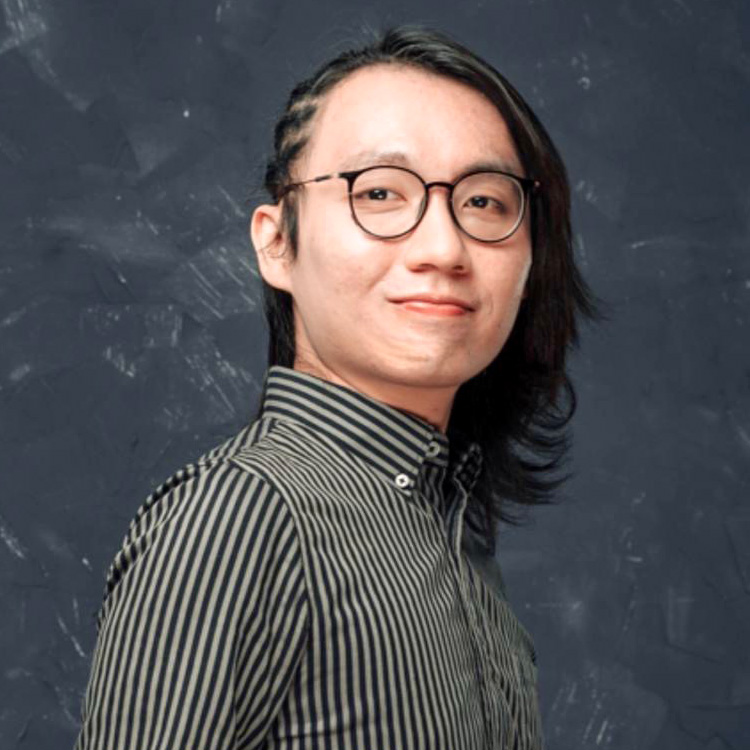
Organization: Center of Excellence for Research in AIDS (CERiA), University of Malaya
Region: Asia and the Pacific Islands
Nationality: Malaysia
Country: Malaysia
Interests & expertise: Community leadership
Profession or occupation: Healthcare worker
What inspires you to work in the HIV field?
We are storytellers. Our lives hold stories and tales. Our hands are a testament to actions being louder than words. I want eyes that can see a world capable of love: that your pain is also mine. If I have anything at all, it is anchored on moving the dial with the question, “Why?”, and advocating for healthcare to be accessible to all, for policies designed to protect and empower, and never to divide and conquer.
The disparities in the HIV response that are almost too familiar to us in the field are man-made: they can be changed and improved. What inspires me is the longing for the day when money and power no longer become a threat to human decency and dignity, where everyone is whole and appreciated in our own essence, and when we can strike a dissonant chord that offers new meaning, excitement and intrigue.
What are your goals as an IAS change maker?
I aim to:
- Build and establish We Ask the Y (WAY) as a solution-oriented community of young leaders who are independent thinkers, learners and vocal activists in addressing the gaps in the HIV response for young people.
- Provide platforms for young people to learn and network with like-minded individuals across educational and healthcare institutions, as well as community-based organizations.
- Support and promote social, health, economic and political justice for young people living with HIV and young key populations.
- Train young researchers who can translate and communicate research findings into evidence-informed policies and practices to dismantle barriers to healthcare access for young people.
- Prioritize experiential insights and voices of young people in decision-making spaces.