
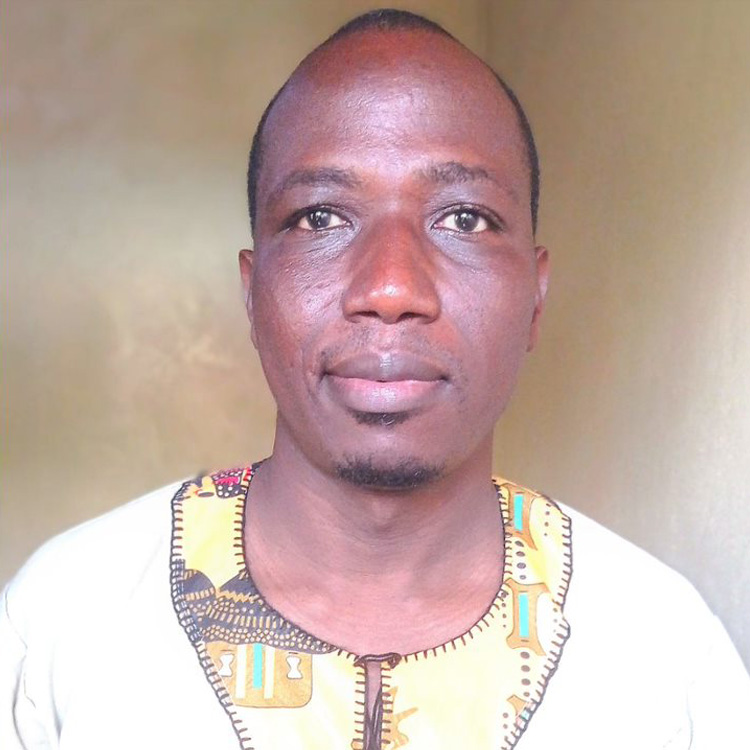
Organization: Centre International de Reference Chantal Biya
Region: Africa
Nationality: Cameroon
Country: Cameroon
Interests & expertise: COVID-19 and HIV
Profession or occupation: Healthcare worker/social service provider
What inspires you to work in the HIV field?
People continue to die due to AIDS-related illnesses, especially people from vulnerable populations in poor countries. In addition to the existing implementation gaps, there is an urgent need to provide context-specific evidence through cutting-edge science to inform decision making. As a virologist and infectious disease epidemiologist, it is my responsibility to engage and give hope to my people by facilitating their access to quality HIV services and through state-of-art research.
People living with HIV have great courage! Most of them never give up; they are right because science now offers opportunities for innovation and great hope. Their expectation is becoming greater than ever. And for me, that is an unending source of motivation and inspiration. In return, it is my duty to stand by them. I do so by performing research and by engaging myself at the institution, which is at the heart of the response to HIV and AIDS in my country.
What are your goals as an IAS change maker?
I want to give hope to people living with HIV by making a significant impact on the quality of services offered and actively engaging in providing evidence for decision making, especially in the paediatric population. More specifically, I want to:
- Identify and close the persistent HIV viral suppression gaps among children and young people.
- Educate people living with HIV on the use of effective and available new prevention and treatment strategies.
- Generate context-specific evidence by conducting state-of-art research to inform decision making.