

Affiliated Independent Events submissions are now closed
All participants have been notified of their AIDS 2026 Affiliated Independent Events application results.
Quick links:
Registration
Submissions
Conference overview
Submissions open: 4 March 2026
Submission deadline: 24 June 2026
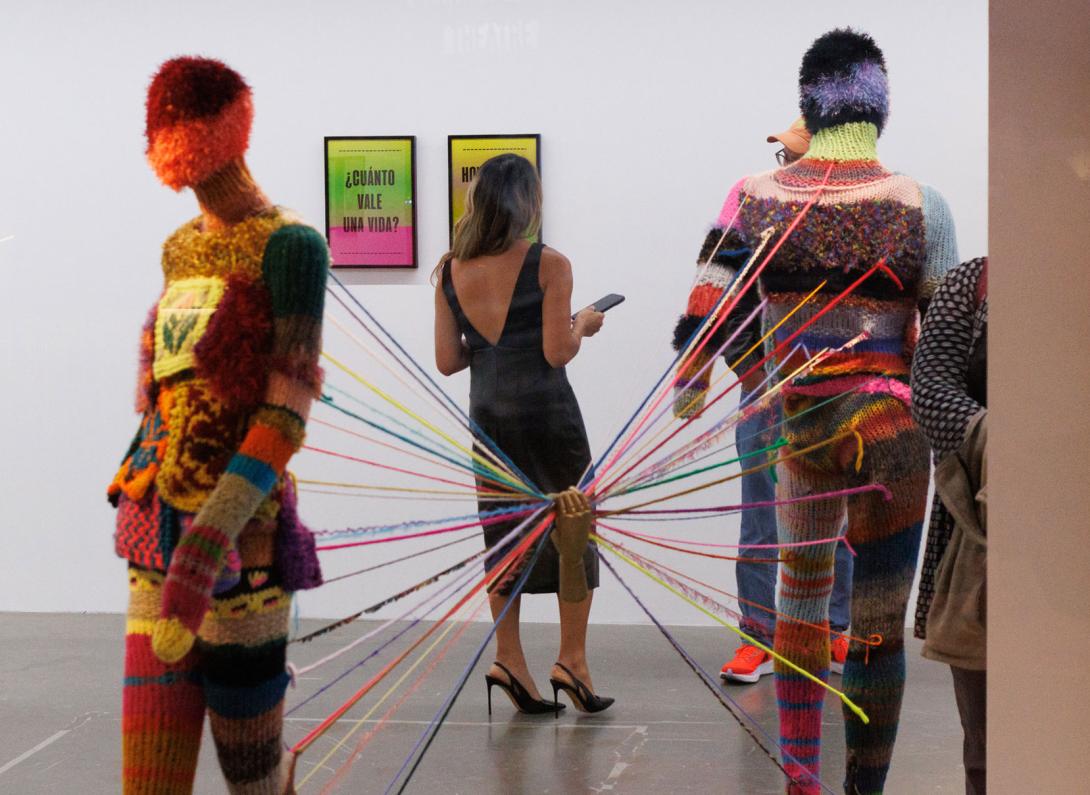
Affiliated Independent Events, held by organizations or individuals external to the IAS, will take place around the activities of AIDS 2026. To qualify, events must address HIV-related topics, and/or issues faced by people living with and affected by HIV and/or organizations responding to the HIV pandemic. They may be population or issue specific. These events can take various shapes, including workshops, pre-meetings, forums, art exhibits or theatre. The IAS encourages event submitters to be creative when developing their events to address HIV and AIDS in new and original ways. Please note that events may be held in any location worldwide and may be conducted online or in person.
All Affiliated Independent Events will be published on the conference website and promoted on AIDS 2026 social media channels.
Your event must meet these criteria to be recognized as an AIDS 2026 Affiliated Independent Event:
- It must take place between 1 May and 3 August 2026.
It must take place outside the official AIDS 2026 programme hours. These are:
Sunday, 26 July, from 08:00 to 19:00
Monday, 27 July, from 07:30 to 18:30
Tuesday-Thursday, 28-30 July, from 08:30 to 19:00
Friday, 31 July, from 08:30 to 17:00- It must take place outside the conference venue.
Please note that the IAS is not responsible for the organization, funding or final content of any such event; these are the sole responsibility of the event organizers. There is no cost to apply for your event to be considered or approved as an Affiliated Independent Event.
The following are AIDS 2026 Affiliated Independent Events:
2026 International Indigenous Pre-conference on HIV & AIDS
Format: Hybrid
Location: COURTYARD & RESIDENCE INN BY MARRIOTT RIO DE JANEIRO BARRA DA TIJUCA
Organizer: Eleven Events Event Management
When: From 24 July at 08:00 to 25 July at 17:00 GMT -3 hours
Event details
The International Indigenous Pre-conference on HIV & AIDS, scheduled for July 2026 in Rio, represents a critical gathering aimed at addressing the unique challenges faced by Indigenous populations in the response to HIV and AIDS.
This conference will highlight the cultural relevance of ancestral science, showcasing how traditional healing practices can complement contemporary medical approaches to improve health outcomes for Indigenous communities. With a lineup of esteemed academic speakers and representatives of grassroots movements, the event will focus on sharing knowledge and strategies that honour cultural teachings while promoting effective health interventions. By fostering collaboration among diverse stakeholders, this pre-conference aims to empower Indigenous voices and enhance the global response to HIV and AIDS, ensuring that solutions are culturally appropriate and community driven.
II International Seminar on Harm Reduction in Sexualized Substance Use (chemsex)
Format: Hybrid
Location: Institute of Social Medicine of the State University of Rio de Janeiro (Rua São Francisco Xavier, 524, 7th Floor, Blocks D and E, Maracanã District, Rio de Janeiro, Rio de Janeiro State, Brazil. ZIP Code: 20550-900)
Organizer: Instituto Multiverses
When: 24 July from 19:00 to 21:00 GMT-3 and 25 July from 10:00 to 18:00 GMT-3
Event details
The Instituto Multiverso, in partnership with the Fala, Chemsex! project at the University of São Paulo, is organizing the II International Seminar on Chemsex (SEINCHEM 2026). It will be held as an Independent Affiliated Event of AIDS 2026 and is scheduled to take place in person in Rio de Janeiro and virtually on 24 and 25 July.
SEINCHEM 2026 will bring together researchers, healthcare professionals, activists, community leaders and policy makers to engage in ethical, critical and evidence-based discussions. The programme will emphasize harm reduction as a central strategy for promoting care and autonomy. Key topics will include the intersections between chemsex and public health, combination HIV prevention, mental health, human rights and stigma reduction. The seminar will also explore the complex interplay between pleasure, desire and vulnerability in contemporary sexual practices.
The planned activities will adopt a participatory, dynamic and interdisciplinary approach. The programme will include plenary sessions, panel discussions, roundtables and artistic interventions. The event will open with a keynote lecture, and sessions will respect scientific evidence, professional expertise and the lived experiences of individuals who engage in chemsex.
Hosting this event in Brazil carries significant political and symbolic importance. It acknowledges the country’s longstanding tradition of community-led responses to HIV and AIDS and offers a strategic context for advancing intersectional approaches to care. By aligning SEINCHEM 2026 with the agenda of the International AIDS Conference, organizers aim to highlight the urgency of this issue. The goal is to bring the complex realities of chemsex to global attention while promoting health, dignity, solidarity and empathy for all those involved.
18th International Workshop on Pediatrics & HIV 2026
Format: Hybrid
Location: Hilton Barra Rio de Janeiro (Av. Engenheiro Carlos Carvalho, 1430 - Barra da Tijuca, Rio de Janeiro)
Organizer: Virology Education
When: From 24 July at 08:00 to 25 July at 17:30 GMT -3 hours
Event details
The International Workshop on Pediatrics & HIV 2026 brings together global experts to advance research, clinical care and policy for infants, children, adolescents and pregnant individuals affected by HIV. The meeting is highly interactive and research driven, featuring expert talks, debates, oral abstracts and guided poster tours.
The programme opens with the workshop chairs, Lynne Mofenson and Elaine Abrams, followed by a social opening from local co-chairs Jorge Pinto and Cristina Barroso.
The first session, “Global Update on Pediatric HIV”, includes invited talks by Savvy Brar on the global epidemic and Omar Sued on maternal and pediatric HIV in Latin America, with discussion afterwards. A panel discussion on funding cuts features Mary-Ann Davies, Eleanor Namusoke Magongo and other experts.
Prevention and maternal health sessions cover such innovations as CAB-LA and lenacapavir PrEP for pregnant and lactating women (Friday Saidi) and broader triple elimination strategies (Pamela Gaspar).
The programme emphasizes research, with oral abstract presentations and guided poster tours for interactive discussion with moderators. Pediatric and adolescent care sessions feature invited talks on long-acting ART (Mo Archery) and a range of topics, including pediatric cure, mental health and sexual/reproductive health (Philip Goulder; Pamela Collins; Carolyn Foster), alongside youth panels sharing perspectives on perinatal HIV and parenting.
A highlight is a debate on whether lenacapavir PrEP will end the pediatric HIV epidemic, fostering discussion on the potential of long-acting PrEP to transform prevention. Other sessions address co-morbidities, including emerging perinatal infections (Marisa Mussi-Pinha).
Overall, the workshop integrates cutting-edge research, interactive debates and mentoring opportunities, establishing a dynamic platform for advancing pediatric and adolescent HIV care globally.
First Regional Symposium on Sexual Health and HIV 2026: Sexually Transmitted Infections
Format: In person
Location: Pasaje Mitayo n°866. Zona Puente Cobija. Cochabamba, Bolivia
Organizer: Instituto para el Desarrollo Humano, Bolivia (IpDH - Bolivia)
When: From 21 May at 09:00 to 22 May at 13:00 GMT -4 hours
Event details
A fundamental pillar of the IpDH is the education and training of health professionals and students. With 29 years of experience organizing training activities, such as congresses, workshops, seminars and courses on HIV, it has achieved recognition in Bolivia as a benchmark for quality in educational events and is poised to lead a scientific event in Bolivia for training, discussion and reflection on sexual health. Therefore, in conjunction with the Platform of the Americas and the Caribbean of the Coalition Plus (PFAC) and the Cochabamba branch of the Bolivian Society of Public Health Medicine, the IpDH is organizing this event.
Keynote presentations and panel discussions will focus on the following topics:
- The situation and re-emergence of STIs in Bolivia and the impact of HPV
- Innovation in diagnosis (molecular tests, self-tests and rapid diagnostics)
- Resistance and treatment: Management of gonorrhoea and chlamydia in the face of antimicrobial resistance and the resurgence of syphilis
- Combined HIV prevention: PrEP and PEP in the Bolivian context and regional challenges to achieving the U=U goal
Expert speakers will present three related topics, with each presentation lasting 20 minutes. Following this, a roundtable discussion will be held, with questions from the audience. A moderator will facilitate each roundtable.
The symposium will provide space for exchanging experiences and presenting clinical cases. Healthcare professionals or students who have submitted their scientific work will be able to present their work orally for 10 minutes each. After this, there will be time for questions, feedback and discussion.
Written poster presentations will take place in a separate room throughout the two days of the event. Five to 10 selected works by healthcare professionals or students will be displayed according to established criteria.
MUVIH: Structural challenges in care and the right to health in women living with HIV
Format: Virtual
Organizer: AMMVIH (ASOCIACIÓN MÉDICA MEXICANA DEL VIH)
When: From 5 June at 15:00 to 6 June at 14:00 GMT -6 hours
Event details
The academic meeting, “MUVIH: Structural challenges in care and the right to health in women living with HIV, organized by the Mexican Medical Association of HIV (AMMVIH), aims to address the complex and evolving needs of women affected by HIV. More than four decades into the epidemic, women continue to face significant structural, social and healthcare-related barriers that impact prevention, diagnosis, treatment and overall health outcomes. Gender inequality, stigma, violence and limited access to healthcare services remain key factors influencing their vulnerability.
Although antiretroviral therapy has transformed HIV into a manageable chronic condition, women require comprehensive care that integrates clinical, reproductive, metabolic, cardiovascular and psychosocial dimensions across the life course. Despite this, women have historically been underrepresented in HIV clinical research, resulting in important gaps in scientific evidence regarding treatment safety and efficacy for this population.
In response, this programme promotes an interdisciplinary and evidence-based approach to improving healthcare delivery. AMMVIH, an organization dedicated to medical education, research and strengthening HIV care in Mexico, has trained over 25,000 healthcare professionals and continues to foster scientific exchange and collaboration.
The programme focuses on updating healthcare providers on key issues, including prevention strategies tailored to women, HIV management during pregnancy and breastfeeding, and current antiretroviral treatment recommendations. It also highlights the importance of identifying co-morbidities and complications, such as cardiovascular and metabolic conditions, as well as co-infections like human papillomavirus.
Additionally, the programme emphasizes the need to address structural and intersectional vulnerabilities affecting women while promoting a human rights-based and person-centred approach. Targeted at a wide range of healthcare professionals, this initiative seeks to enhance knowledge, reduce stigma and ultimately improve the quality of care for women living with HIV.
Course on mental health & HIV (CUSAMVIH), 2026
Format: Virtual
Organizer: Mexican Medical Association for HIV/AIDS (AMMVIH)
When: 25 June from 16:00 to 19:30 and 26 June from 16:00 to 19:30 GMT –6 hours
Event details
The relationship between HIV and mental disorders is complex and often reciprocal, particularly among people living with HIV who may have undiagnosed mental health issues. To address these concerns, the AMMVIH launched the CUSAMVIH, a mental health and HIV course for healthcare professionals across Mexico, in 2024.
The third edition of this two-day course will emphasize interdisciplinary approaches to managing psychiatric co-morbidities and the social determinants affecting people living with HIV. This year, the programme consists of two parts:
- The first focuses on diagnosing and managing common mental health conditions, including affective disorders and HIV-associated neurocognitive impairment, while addressing structural barriers and the impact of stigma.
- The second part covers advanced therapeutic management and integrated care strategies, emphasizing drug interactions between antiretroviral and psychiatric medications, psychosocial interventions and palliative care.
Renowned speakers from various health fields will lead the course, aiming to enhance mental and physical health outcomes for people living with HIV throughout Mexico.
Virtual workshop: Integrating non-communicable disease screening and management into routine HIV care
Format: Virtual
Organizer: Alliance for Youth and Adolescents Health Organization
When: 8 August from 14:00 to 17:00 GMT+3 hours
Event details
This interactive workshop will focus on integrating non-communicable disease (NCD) screening and management into routine HIV care to improve long-term outcomes for people living with HIV.
The session will begin with a brief overview of the burden of NCDs among people living with HIV and the rationale for integrated service delivery, particularly in the context of an ageing HIV population and long-term antiretroviral therapy. A clinical expert will then present key updates on the identification and management of common NCDs, including hypertension, diabetes, mental health conditions and cervical cancer, as well as emerging challenges, such as weight gain associated with dolutegravir-based regimens.
The workshop will include case-based learning sessions in which participants will analyse real-life scenarios of HIV-NCD co-management and discuss practical solutions to improve screening, diagnosis and continuity of care in HIV clinics. Facilitators will guide participants in using job aids, screening tools and simplified treatment algorithms to support integrated service delivery.
The workshop will be facilitated by experienced clinicians and HIV programme implementers, with opportunities for participants to share experiences and best practices from their settings.
The session will conclude with a plenary discussion and question-and-answer segment to consolidate learning and identify actionable steps for implementation.
Beyond medication: Sports and quality of life in HIV care
Format: In person
Location: University São Judas Tadeu - Avenida Martins Fontes 100, Cubatão, São Paulo
Organizer: Lamesp - academic league of sports medicine
When: 6 August from 17:00 to 21:00 GMT-4 hours
Event details
Given the advances in treatment of HIV and AIDS, it has become increasingly necessary to expand care beyond pharmacological controls and consider the physical, metabolic, emotional and social impacts of an HIV diagnosis. In this context, the Academic League of Sports Medicine of the Universidade São Judas Tadeu School of Medicine will organize a discussion-based event, using facilitated conversation circles, to explore physical exercise as a complementary therapeutic strategy in the care of people living with HIV.
The proposal is to address bone, muscle and metabolic changes related to persistent inflammation and the effects of antiretroviral therapy, highlighting the role of physical activity in prevention, comprehensive care, health promotion and quality of life improvement. The conversation circles will be spaces for dialogue, listening, exchange of experiences and collective knowledge building. They will promote an accessible, scientific and humanized discussion on the relationship between HIV and AIDS, sports medicine and non-pharmacological supplementary therapy.
In addition to being held at Universidade São Judas Tadeu, the initiative will be presented in the Global Village Youth Networking Zone at AIDS 2026, aiming to expand dialogue among young people, students, academic leagues, student centres, charitable institutions from Cubatão and representatives of municipal authorities.
The proposal seeks to strengthen collaboration networks focused on prevention, social inclusion, multiprofessional care and health promotion, bringing together the academic community, social organizations and public managers around a relevant agenda for the contemporary response to HIV and AIDS. In this way, it intends to contribute to the appreciation of complementary, accessible and evidence-based strategies, recognizing physical exercise as an important tool for promoting autonomy, well-being and comprehensive care for people living with HIV.
#RethinkRebuildRise | #PutPeopleFirst to deliver on #endAIDS and #endTB targets in next 54 months
Format: Hybrid
Location: Humana People to People India, Meeting Hall, 111/9-Z, Aruna Asaf Ali Marg, Kishangarh Village, Vasant Kunj, New Delhi, Delhi 110070, India
Organizer: National Coalition of People Living with HIV In India (NCPI Plus), Humana People to People India (HPPI) and Citizen News (CNS)
When: 3 July from 8:30 to 11:30 GMT +0
Event details
This event will showcase successful and high-impact community- or key population-led interventions that are making a difference in the Asia-Pacific and African regions, helping people with HIV lead normal lives and addressing TB-HIV co-infection. It will also showcase integrated responses for addressing other HIV-related co-infections and co-morbidities.
We need to scale person-centred, rights-based and community-led solutions and keep in sight the 2030 targets of ending both AIDS and TB. We cannot shift the goalposts, but we can bridge the deadly divide between what we know works and what we do. It is time for accountability.
Thanks to the science- and evidence-based and community-led proven tools and approaches we have today, no one should acquire HIV or die of AIDS-related illnesses. Undetectable equals untransmittable (U=U) must be a reality in the lives of all people living with HIV. No person living with HIV should acquire latent TB, develop active TB disease or suffer without standard treatment or die of a preventable disease like TB.
Twenty years strong: Grandmothers’ leadership in the HIV response
Format: Virtual
Organizer: Stephen Lewis Foundation
When: 21 July from 10:00 to 11:30 GMT -4 hours
Event details
The HIV pandemic has changed dramatically in the 20 years since the 2006 International AIDS Conference in Toronto and the launch of the Grandmothers to Grandmothers Campaign. Yet grandmothers continue to play a vital role in their communities and families and in the HIV response. On the eve of the 2026 International AIDS Conference in Rio de Janeiro, join the Stephen Lewis Foundation as we look back at 20 years of international grandmothers’ solidarity and look forward to how the needs and priorities of older women and caregivers must shape the future of the HIV response.
This event will feature two panel conversations and a video. Through the event, we will:
- Celebrate the leadership, accomplishments, wisdom and advocacy strength of African grandmothers
- Reflect on the groundbreaking approach to fundraising built by the Grandmothers to Grandmothers Campaign in partnership with African community-led organizations and grandmothers
- Centre the priorities of older women and caregivers in the lead up to AIDS 2026
- Highlight the continued urgency of investing in community-led responses and recognizing the leadership of older women and caregivers in the global HIV response
We are planning to invite two grandmothers from Canada who are members of the Grandmothers to Grandmothers Campaign and three grandmothers from Africa who are involved in grandmothers mobilizing in their communities (our current invitees are from Uganda, Tanzania and South Africa).
Canadian networking reception @ AIDS 2026
Format: In person
Location: Curi Restaurant, located in Venit + Mio Barra Hotel, Av. Embaixador Abelardo Bueno, 2710
Organizer: CATIE and CANFAR
When: 28 July from 19:00 to 20:30 GMT -3 hours
Event details
Join fellow Canadian delegates attending AIDS 2026 for a networking reception. This event provides an opportunity to connect with colleagues from across Canada who are engaged in HIV research, policy, healthcare and community leadership. This reception will provide a space to strengthen connections, exchange perspectives and foster new partnerships among Canadian delegates participating in the conference.
Light refreshments will be served.
This event is open to all AIDS 2026 delegates from Canada. Registration is required.
Pacific HIV Symposium 2026
Format: In person
Location: Sheraton Fiji, Denarau Island (Nadi), Fiji
Organizer: ASHM Health
When: 17 and 18 August from 09:00 to 17:00 GMT -12 hours
Event details
The HIV epidemic is growing rapidly across the Pacific, with Fiji now experiencing one of the fastest-growing epidemics globally and Papua New Guinea declaring a national HIV crisis. New acquisitions have increased sharply in recent years, driven by injecting drug use, late diagnosis and ongoing barriers to testing and treatment.
The Pacific HIV Symposium 2026 was established in direct response to this evolving situation.
The symposium will convene regional health leaders, clinicians, nurses, policy makers and community organizations from across the Pacific, Australia and New Zealand to focus on practical, coordinated action. It will strengthen prevention, testing, treatment and care, with an emphasis on approaches that can be implemented in Pacific health systems.
Rather than awareness raising, the meeting will concentrate on translating evidence into practice, supporting ministries of health and frontline services to respond more effectively to the current trajectory of the epidemic.
The symposium will also provide a platform to address sexual and reproductive health, co-infections and other related conditions as part of an integrated regional response.
WHO KVP webinar: Enhancing key population-sensitive services within primary healthcare
Format: Virtual
Organizer: World Health Organization (WHO)
When: 7 July from 13:00 to 15:00 GMT+2 hours
Event details
This WHO global ECHO KVP webinar is organized by the Key and Vulnerable Populations team in the Department of Global HIV, Tuberculosis, Hepatitis and Sexually Transmitted Infections Programmes.
The webinar aims to provide an overview of WHO guidance on comprehensive services across HIV, TB, hepatitis and STIs, followed by presentations and reflections on global, regional and country evidence and perspectives on how to enhance key population-sensitive services within primary healthcare. It will also explore how evidence informs decision making across the different levels of service delivery, and discuss practical lessons to support the protection, adaptation, integration and sustainability of key population-sensitive services, including community-led and differentiated service delivery models.
Speakers and moderators include Wole Ameyan and Clarice Pinto (WHO), Solomon Wuamba (KP Trans-National Collaboration), Cedric Nininahazwe (Global Network of People Living with HIV), Erick Mlanga (UNAIDS), Parinita Bhattacharjee (South-to-South Learning Network) and Ngauv Bora (Cambodia National Center for HIV/AIDS, Dermatology and STD).
Interpretation will be available in English, French and Portuguese.
Towards an HIV-Free Generation: Know your options, own your future
Format: Hybrid
Location: CAPITAL Junction Hatfield (Capital Junction Office Park, 1226 Francis Baard Street, Hatfield, Pretoria, 0028)
Organizer: The Aurum Institute
When: 16 July from 10:00 to 14:00 GMT+2 hours
Event details
The Towards an HIV-Free Generation: Born Free Dialogue is a youth-focused engagement platform designed to bring together young people, particularly those from key populations, to discuss HIV prevention and treatment options available in South Africa. While significant progress has been made in the country's HIV response, new acquisitions among young people and barriers to accessing HIV services remain a challenge. This dialogue aims to increase awareness, promote informed choices, and encourage uptake of HIV prevention and treatment services.
The dialogue will create a safe space for participants to engage with healthcare providers, community advocates, policy makers and peers on the latest HIV prevention and treatment innovations.
Discussions will focus on available prevention options, such as condoms, oral PrEP, long-acting injectable PrEP, HIV self-screening and post-exposure prophylaxis. The event will also highlight the importance of antiretroviral therapy, treatment as prevention, adherence support and the role of community-led interventions in improving health outcomes.
Special attention will be given to the experiences and needs of key populations, including men who have sex with men, trans people, sex workers and people who use drugs. Participants will have an opportunity to share experiences, discuss challenges related to stigma and discrimination, and identify solutions for improving access to youth-friendly and key population-friendly health services.
AIDS Walk San Francisco
Format: In person
Location: Golden Gate Park, San Francisco California
Organizer: AIDS Walk San Francisco
When: 19 July from 8:00 to 14:00
Event details
AIDS Walk San Francisco will celebrate its 40th annual walk on Sunday, 19 July 2026. This is a 5km Walk-A-Thon in Golden Gate Park in San Francisco, California. All fundraising walkers are invited to the Red Ribbon Breakfast before the walk starts. The breakfast will take place from 08:00 until 10:00 PST.
The opening ceremony will be from 10:00 to 10:30 PST, and the walk will take place in the park. After the walk, a great drag show will take place, with Bobby Friday and Manila Lazan from Rupaul’s Drag Race.
ABIA Collection: Guided visits at the Library of Manguinhos/Fiocruz
Format: In person
Location: Fundação Oswaldo Cruz (Fiocruz) - Library (Biblioteca) | Avenida Brasil, 4365 | Rio de Janeiro (RJ)
Organizer: ICICT/FIOCRUZ (Institute for Scientific and Technological Communication and Information on Health)
When: 23 July at 10:00 or 14:00 GMT-3 hours
24 July at 10:00 GMT-3 hours
Event details
On the occasion of AIDS 2026, the 26th International AIDS Conference, in Rio de Janeiro, Icict/Fiocruz invites all participants and other interested members of the public to visit and have a guided tour of the Brazilian Interdisciplinary AIDS Association’s (ABIA’s) archive collection dedicated to the documentation of HIV and AIDS for more than 20 years. It is located in Fiocruz's Library of Manguinhos (Biblioteca de Manguinhos, situated on the Fiocruz main campus).
The collection has more than 15,000 catalogued items, including videotapes, DVDs, theses, dissertations, scientific papers, magazines and media clippings, with print and newspaper samples from the Brazilian press coverage of HIV- and AIDS-related themes in the 1980s and 1990s.
Donated by ABIA, the collection is representative of the various institutional responses to the epidemic, including efforts by civil society, research institutions and the public sector to mobilize actions in healthcare, research and support of treatment and prevention.
Scheduling of visits
The guided tour welcomes researchers, students, professionals, activists and other interested members of the public. In addition to the collection, visitors can get to know more about Fiocruz and the library’s general activities in health information and communication, with one of the largest bibliographic collections in the country.
The guided tours will be available in Portuguese and English. To accommodate the public, visits are by appointment only.
Available dates and times:
- Thursday, 23 July, 10h00 or 14h00
- Friday, 24 July: 10h00
Further information: www.icict.fiocruz.br
LIVING2026
Format: In person
Location: CDESIGN HOTEL (Av. Lúcio Costa, Rio de Janeiro, Brazil)
Organizer: Global Network of People Living with HIV (GNP+)
When: 25 July from 09:00 to 17:00 GMT-3 hours
Event details
LIVING2026 is the global people living with HIV-led pre-conference at AIDS 2026, convened by the Global Network of People Living with HIV (GNP+) in partnership with the Prevention Access Campaign (PAC). Designed as a strategic intervention in a rapidly shifting global landscape, LIVING2026 responds to a shrinking fiscal space, changing political priorities, and increasing pressure on the systems that sustain people living with HIV leadership, treatment continuity and the global U=U movement.
For more than a decade, the LIVING pre-conferences have served as the premier platform where people living with HIV leaders and networks set priorities, shape political agendas and drive accountability across the HIV response. In 2026, the gathering marks 10 years of undetectable = untransmittable (U=U), which is a scientific and political milestone made possible through the leadership and lived expertise of people living with HIV.
This anniversary arrives at a moment of profound transition. Funding reductions, geopolitical instability and health‑system strain threaten the gains achieved in viral suppression, stigma reduction and human rights.
LIVING2026 brings together people living with HIV leaders, policy makers, funders, researchers and allies to confront these realities and to chart a coordinated, future-focused agenda for the next decade of the HIV response. Through plenaries, strategic dialogues and community-driven agenda-setting, the event strengthens the political, scientific and moral force of people living with HIV leadership.
LIVING2026 reaffirms the indispensable role of people living with HIV-led systems; advances strategies for long-term sustainability; and aligns global actors around the commitments needed to protect treatment access, sustain viral suppression, and uphold the rights and dignity of all people living with HIV.
GOOD SEX IS PUBLIC HEALTH! Two women. One conversation: Pleasure, protection and the inner condom
Format: Virtual
Organizer: African Alliance
When: 17 August from 18:00 to 19:00 GMT+0 hour
Event details
The session will be an interactive pre-recorded session hosted by a community health advocate and an inner condom expert trainer.
This session will focus on sexual and reproductive health and rights (SRHR), exploring how sexual pleasure drives demand creation for the inner condom. Drawing on African Indigenous languages and concepts, the session challenges conventional approaches to contraceptive promotion by centring pleasure as a legitimate and powerful motivator for condom use.
The session will equip participants with culturally grounded messaging strategies and tools to promote female condoms in African contexts. Instead of the usual clinical messaging around contraception, the session will explore how centring joy, desire and pleasure, using African Indigenous languages and everyday concepts, can change the conversation around the inner condom in African communities.
The session will include discussion and practical tools for health workers, advocates and communicators who want to promote the female condom in ways that feel real and relevant to the people they work with.
The Blueprint: The evolution and impact of Africa’s leading HIV cure science training resource
Format: Virtual
Organizer: African Alliance
When: Weekly dialogue between 8 to 22 July from 15:00 to 16:00 GM+3 hours
Event details
This virtual, three-part weekly dialogue and digital forum series charts the multi-year journey, adaptation and future blueprint of the HIV CUREiculum, Africa’s first community-led training resource focused on HIV cure science, developed through collaborations among community advocates, researchers, educators and regional and global partners, and spearheaded by the African Alliance. The series brings together regional and global advocacy pioneers, regional pilot implementers, curriculum developers and creative designers to demonstrate how complex biomedical research can be translated into accessible, culturally relevant learning tools for African communities.
Part 1: The Foundation & The Vision focuses on the strategic partnerships and advocacy frameworks that gave rise to the CUREiculum. Speakers: Barrack Owino (Host); Representatives from AVAC, Treatment Action Group (TAG) and IAVI
Part 2: From Blueprint to the Field (The Pilots) explores ground-level operational execution, community responses and comparative insights from the critical pilot rollouts in Kenya and Zambia. Speakers: Barrack Owino (Host); Dorcas Khasowa (Kenyan Pilot Perspective); Anna Matendawafa (Zambian Pilot Perspective)
Part 3 (July 20): The Grand Finale (The Modern Phase, Design & Inclusivity) showcases updated care science for 2026, a visual design methodology using community-tailored characters, and scaling up cross-border, multilingual access across language barriers. Speakers: Barrack Owino (Host); Khadijah (Current Phase Anchor); Albert (AHCC Consortium Lead); Moses (Creative & Visual Design Lead)
This initiative directly embodies the AIDS 2026 theme, Rethink. Rebuild. Rise. It addresses issues faced by communities affected by HIV by scaling up scientific literacy, a prerequisite for ethical clinical trial engagement. Operating completely outside official conference hours via a digital audio-video format, this project removes geographic and financial barriers, allowing grassroots advocates worldwide to connect with the core scientific advancement goals of the International AIDS Society.
Rebuilding HIV prevention for women and young people through integrated community-led and gender-responsive action
Format: In person
Location: HACEY, Tapa House, 3 Abosede Kuboye Street, off Imam-Dauda Street, Lagos, Nigeria
Organizer: HACEY
When: 30 July from 10:00 to 01:00 GMT+1 hour
Event details
This in-person event will be delivered as an HIV Prevention Design Lab focused on redesigning how women, adolescent girls, young people and vulnerable communities move from HIV awareness to prevention, testing, referral, care and sustained support. In Nigeria, HIV prevention gaps are still shaped by stigma, gender inequality, gender-based violence, poverty, limited SRHR access, poor youth-friendly services, weak referral systems and low community trust. The event will use design-thinking methods to turn these barriers into practical, community-owned solutions that can strengthen integrated HIV, SRHR and GBV responses.
HACEY will open the session by framing the prevention challenge and the need for community-led redesign. A technical HIV expert will present rapid evidence brief on prevention gaps, followed by a Nigerian policy actor highlighting system priorities. Participants will then work through a guided design lab using four stations: “Name the Barrier”, “Map the Prevention Journey”, “Design the Fix”, and “Pitch the Solution”. Youth advocates, women-led SRHR leaders, people living with HIV networks, community implementers, health workers, digital health actors and development partners will test ideas against real-life community needs.
The agenda will include a rapid evidence brief, policy reality check, prevention journey mapping, small-group solution design, three-minute community pitches, expert response, participant voting on the strongest solutions, and agreement on priority actions for implementation.
The event will produce a community-informed action brief documenting priority barriers, practical solution prototypes, referral pathway improvements, and policy recommendations for youth-centred, gender-responsive and integrated HIV prevention.
Rebuilding HIV prevention for women and young people through integrated community-led and gender-responsive action
Format: Virtual
Organizer: HACEY
When: 24 July from 10:00 to 11:30 GMT+1 hour
Event details
The global HIV response is at a defining moment. Despite progress, UNAIDS reported 1.3 million new HIV acquisitions in 2024, while recent funding disruptions continue to threaten prevention services, community outreach, PrEP access, HIV testing, stigma reduction and support for adolescent girls, young women and key populations. In Nigeria, where HIV prevalence is estimated at 1.4% and young people aged 10 to 24 represent a significant share of the population, HIV prevention must move beyond biomedical services alone. This event will examine how stigma, gender inequality, gender-based violence, poverty, weak referral systems, limited SRHR access and underfunded community-led prevention continue to shape HIV vulnerability for women and young people.
The session will open with the HACEY Health Initiative setting the agenda for integrated, community-led HIV prevention. A global HIV prevention expert will deliver the keynote address, followed by a Nigerian policy perspective on prevention gaps and system priorities. The moderated panel will bring together HACEY SRHR Youth Champions, women SRHR leaders, networks of people living with HIV, community implementers and development partners to discuss practical models for linking HIV prevention with SRHR, GBV response, referral systems, treatment literacy and community accountability.
The agenda will feature a data-driven HIV prevention brief, Nigerian case reflections, a “rebuild the prevention pathway” panel, youth and community voices, rapid audience polling and agreement on practical actions for integrated HIV, SRHR and GBV responses.
The event will produce a concise action brief outlining priority gaps, scalable community-led prevention models and policy recommendations for integrated HIV, SRHR and GBV responses, while strengthening partnerships for youth-centred and gender-responsive HIV programming.
Educational community engagement: Tackle HIV and Brazil Rugby coaching sessions
Format: In person
Location: Ipanema Beach in front of Hotel Fasano (Viera Souto Avenue, 80 – Ipanema, Rio de Janeiro - Rio de Janeiro, Brazil)
Organizer: Tackle HIV
When: 29 July from 19:00 to 20:30 GMT-3 hours
Event details
The Tackle HIV campaign’s activities in Rio are organized with the theme, Changing public attitudes to HIV, and challenging stigma. The power of sport to influence thinking and behaviour. Tackle HIV will host a panel discussion on the main stage of the Global Village on Monday, 27 July, with this theme, and Tackle HIV will bring the power of sport to life at an event on Wednesday, 29 July.
In partnership with the Brazil Rugby Federation and Rio Rugby, Tackle HIV and Gareth Thomas will host an interactive rugby skills and coaching session on Ipanema Beach, working with adolescents from disadvantaged communities and the adult rugby community. The Brazil-based HIV advocacy group, Instituto Cultural Barong, will support with HIV education; its educational van will be located close by to support the educational nature of the event and offer HIV testing.
Gui Pereira, CEO of Rio Rugby said: “Having Gareth and the Tackle HIV campaign in Rio during AIDS 2026 is a great opportunity for us to build on our ongoing community activations, to include some health and HIV education, and to promote rugby and its values with a global rugby superstar. Sport has a unique ability to connect with people of all ages and help bring about changes in thinking and behaviour, and our rugby community is looking forward to putting this into action around HIV.”
International Conference on HIV, Human Rights and Social Cure: Community-Led Responses from Argentina
Format: Hybrid
Location: Tribunal Superior de Justicia de la Provincia de La Rioja Joaquín V. González 77, Ciudad de La Rioja
Organizer: Fundacion YacuYas
When: 4 July from 09:00 to 16:00 GMT-3 hours
Event details
This hybrid Affiliated Independent Event in La Rioja, Argentina, brings together policy makers, judicial authorities, legislators, public health leaders, researchers, community organizations, artists and people living with HIV to share innovative community-led responses to HIV, human rights and social inclusion.
The initiative includes a series of interconnected activities held between 25 June and 4 July 2026 in the Social Cure (Cura Social) framework.
Activities include:
- “Pride Makes Us Visible”, an educational dialogue for secondary school students exploring the connections between LGBTQ+ pride, HIV history, collective memory and stigma reduction
- “Conversations with Stigma”, a community-based artistic intervention in which a person living with HIV engages in a theatrical dialogue with “Stigma”, exposing prejudice, misinformation and discrimination while promoting dignity, rights and social inclusion
- International Conference on HIV, Human Rights and Access to Justice for judicial authorities, focused on HIV law, access to justice, stigma reduction and institutional accountability
- International Conference on HIV, Human Rights and Social Cure for members of the Provincial Legislature, addressing HIV Law 27.675, evidence-informed policy making, community participation and innovative public responses
- Community Day for the Restoration of Trans Memory, including mural restoration, artistic interventions, oral histories, community dialogue and the presentation of the Raíces Trans Riojanas Archive
Topics include HIV law implementation, human rights, access to justice, stigma and discrimination, combination prevention, U=U (undetectable = untransmittable), trans health, collective memory, youth engagement, people born with HIV, the right to the future and community leadership.
The initiative seeks to strengthen rights-based and community-led HIV responses while fostering dialogue among government institutions, academia, international partners and affected communities.
Eu Amo Cazuza
Format: In person
Location: Lado B, R.Primeiro de Março 14, Centro do Rio
Organizer: Luv 'til it Hurts
When: 28 July from 19:00 to 23:59 GMT+3 hours
Event details
The idea for “Luv 'til it Hurts” was started by artists Todd Lester, Alberto Pereira Jr. and Micaela Cyrino. They asked their Rio-based colleagues and international artists, such as Eric the Dragking, to join them for an evening of discussions, art and music at Lado B cultural centre in Rio. The event is free and open to the public.
The HIV Cure Rio Relay 2026: Bringing it home
Format: Virtual
Organizer: The African Alliance
When: 20 August from 12:00 to 15:30 GMT+2 hours
Event details
The HIV Cure Rio Relay brings AIDS 2026 home to the pan-African HIV CUREiculum Community of Practice (CoP). This community includes 84 African-based HIV cure research advocates on the ground and in trial sites, who meet monthly online across multiple African countries to discuss HIV cure research and guide the HIV CUREiculum rollout to 100 community advocates in 2026.
Most CoP members will not be in Rio, so CoP co-hosts Barrack and Khadija travel as delegates of the community. Across eight episodes, they relay credible HIV cure science in plain language, tied back to community relevance for CoP members.
Episode 1 of Rio Relay takes place at the virtual CoP5 launch on 9 July (recorded). The co-hosts explore the AIDS 2026 programme, surfacing participants’ questions and comments they will take to the conference sessions in person.
Episode 2, Touchdown, is a brief on-the-ground message at the AIDS 2026 pre-conference, filmed on arrival in Rio and summarizing the CoP mandate.
Episodes 3, 4 and 5 are five-minute daily vlogs per conference day covering sessions attended, key learnings, memorable moments and concrete takeaways for CoP members.
Episode 6, the Community Village Special, captures headline issues, grassroots energy, peer networks and advocacy displays in a looser, atmosphere-led style.
Episode 7, the Poster Walkthrough, curates four to six posters most relevant to the CoP, narrated in plain language with a clear answer about why each one matters back home.
Episode 8 is the series finale, a live double session with presentations, a panel discussion and Q&A, on 13 August. Community participants and cure experts share experiences and new science together, closing the loop opened in Episode 1 and naming the top takeaways for the CoP to explore further.
What’s your shirt saying? Co-creating conversation-starting apparel for HIV communication
Format: Virtual
Organizer: IDK Stigma
When: 16 July from 19:00 to 20:00 GMT-4 hours
Event details
How can fashion, storytelling and community design help make health conversations more visible?
This interactive session brings together community members, advocates, creatives, researchers and public health professionals to explore how apparel can serve as a tool for HIV communication, visibility and engagement. Participants will get a behind-the-scenes look at the co-creation of a limited-edition AIDS 2026 shirt collaboration between IDK Stigma and Brazilian artist Fael Mendes, founder of Camaleão, while contributing ideas and perspectives on messaging, storytelling and design.
Through facilitated discussion and collaborative activities, attendees will explore how health communication can move beyond traditional campaigns and connect with identity, culture, aspiration and everyday life. Together, participants will examine what makes a message worth wearing – and how apparel can create opportunities for curiosity, peer-to-peer dialogue and meaningful conversations long after a campaign or conference ends.
Participants will share perspectives on what messages, stories and lived experiences deserve greater visibility in HIV prevention, treatment and stigma reduction efforts. Using a human-centred design approach, small groups will brainstorm concepts for conversation-starting apparel and provide feedback on creative directions inspired by the AIDS 2026 theme and the vibrant culture of Rio de Janeiro.
The session will conclude with a discussion on how community-informed creative approaches can strengthen engagement, make health communication more memorable and culturally relevant, and help organizations move beyond awareness toward authentic conversation. Attendees will leave with practical ideas for incorporating fashion, storytelling and co-creation into their own communication strategies, as well as a deeper understanding of how wearable design can transform everyday interactions into opportunities for connection, learning and stigma reduction.
Questions
If you have any questions, please email affiliatedevents@aids2026.org.
FAQs
What is an AIDS 2026 Affiliated Independent Event?
An Affiliated Independent Event is organized by individuals or organizations external to the IAS, takes place around the time of AIDS 2026, and focuses on HIV-related topics or issues affecting people living with and impacted by HIV.
Who can apply to host an Affiliated Independent Event?
Any individual, organization, network or institution can apply as long as the proposed event meets the eligibility criteria and addresses HIV-related themes.
When should Affiliated Independent Events take place?
To be eligible, events must take place between 1 May and 3 August 2026.
What topics are eligible for Affiliated Independent Events?
Events must address:
- HIV-related topics
- Issues affecting people living with HIV
- Challenges faced by communities affected by HIV
- Responses to the HIV pandemic
Events can be population specific, issue focused or interdisciplinary.
Is there a fee to apply?
No. There is no cost to apply for Affiliated Independent Event status.
What are the benefits of becoming an Affiliated Independent Event?
Approved events will:
- Be listed on the official AIDS 2026 website
- Be promoted through AIDS 2026 social media channels
- Gain visibility among the global IAS network and AIDS 2026 delegates
This helps amplify the reach and audience of your event.