Embargo policy for HIV Science Geneva 2027
The HIV Science Geneva 2027 embargo policy applies to all research presented at HIVR4P 2027 and IAS 2027. The embargo will be lifted at a single date and time.
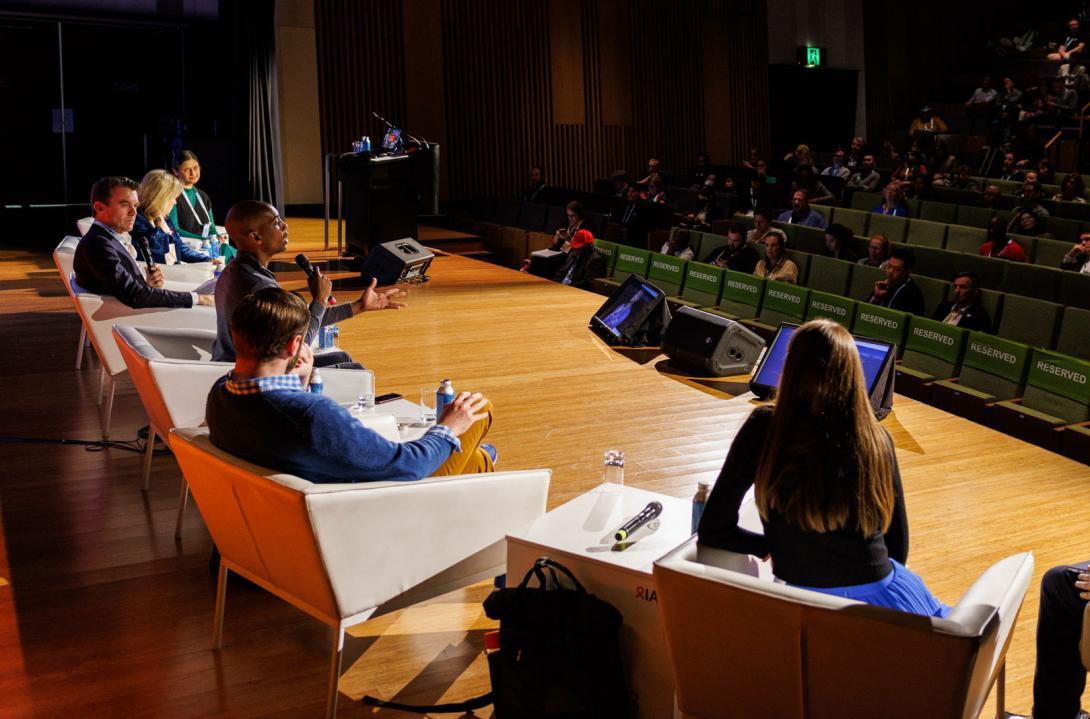
The embargo on all abstracts, including oral abstracts, posters, e-posters and late breakers, will lift on a date and at a time to be announced.
A few abstracts may be selected for presentation as part of an official HIV Science Geneva 2027 press conference, taking place virtually before the conferences. For those abstracts, the embargo will lift at the start of the press conference. Those abstract authors will be informed.
Conference embargo policy
The conference embargo policy specifies that while authors may publish the fact that their abstract has been selected for inclusion in the conference programme, they may NOT share data from the abstract in any form (print, broadcast or online publication, media release or conference presentation) before its official release at HIV Science Geneva 2027.
There may be some cases in which organizations are legally or ethically required to report study outcomes before the conference embargo lifts (for example, when a clinical trial is stopped). In these cases, any public communications that address results may not disclose any data outcomes beyond saying that a trial has been concluded due to positive or negative outcomes. All public communications must also note that full details will be presented at HIV Science Geneva 2027. Please notify abstracts@iasociety.org before publicly communicating any such information.
As with most scientific and medical conferences, a selection of HIV Science Geneva 2027 (HIVR4P 2027 and IAS 2027) abstracts will be released to delegates and media representatives under a strict embargo policy.

Embargo breaks by presenters
A conference committee will review any potential cases of embargo breaks by presenters. Embargo breaks by presenters may result in the removal of the abstract in question from the programme. This includes publication of the abstract data in a journal or public outlet before presentation at the conference.
Please direct any questions or concerns about the conference embargo policy for presenters to the HIV Science Geneva 2027 Abstracts team at abstracts@iasociety.org.
Embargo breaks by media
Journalists who receive embargoed information related to studies to be presented at HIV Science Geneva 2027 agree not to publish that information before the conference media embargo is lifted, regardless of the source or format of the information (including slides, press releases, abstracts and interviews). Violation of the embargo policy by a journalist will lead to one or more of the following measures:
Suspension of the journalist’s conference credentials
Removal of the journalist’s name from the IAS media distribution list for two years
Refusal to award media credentials to the journalist for upcoming IAS conferences
Please direct any questions or concerns about the media embargo policy to the HIV Science Geneva 2027 Communications team at media@iasociety.org.
Questions?
For questions about the media embargo policy, email media@iasociety.org. For questions about presenter embargo requirements, contact abstracts@iasociety.org.
FAQs
What is the conference embargo policy?
The policy sets the earliest time that information and results from research presented at HIVR4P 2027 and IAS 2027 may be shared publicly. One common embargo applies across HIV Science Geneva 2027.
When does the embargo lift?
The embargo on abstracts for both conferences will lift on one common date and time.
Can presenters announce that their abstract has been accepted?
Yes. Authors can announce the selection of their abstract for the conference programme, but must not reveal the abstract data before the embargo lifts.
What types of research are covered?
The embargo applies to oral abstracts, posters, e-posters and late breakers, as well as embargoed research information shared with media through slides, press releases, abstracts or interviews.
Can study outcomes be disclosed before the embargo for legal or ethical reasons?
In limited situations, such as when a clinical trial is stopped, organizations may disclose that a trial concluded due to positive or negative outcomes, but not the data itself. They must indicate that full details will be presented at HIV Science Geneva 2027 and notify the Abstracts team before any public communication.
What happens if a presenter breaks the embargo?
A conference committee will review the case. The abstract may be removed from the programme, including instances where the data are published in a journal or public outlet before presentation.
What happens if a journalist breaks the embargo?
Consequences may include suspension of conference credentials, removal from the IAS media distribution list for two years, and/or refusal of media credentials for upcoming IAS conferences.
Who can answer embargo questions?
Contact media@iasociety.org about media embargo matters. For presenter-related questions, contact abstracts@iasociety.org.