Abstract submission for HIV Science Geneva 2027 opens soon

Quick links to other pages:
Key deadlines and highlights
Abstract submissions close: 20 January 2027, 23:59 CET
Abstracts, as well as amendments to submitted abstracts, will not be accepted after this date.
Late-breaker abstract submissions open: 25 March 2027
Late-breaker abstract submissions close: 21 April 2027, 23:59 CEST
Call for abstracts
HIVR4P 2027, the 6th HIV Research for Prevention Conference, and IAS 2027, the 14th IAS Conference on HIV Science, welcome the submission of abstracts for original contributions to the field.
Each conference has its own scientific scope, with specific categories and separate organizing committees. The abstract categories are detailed below to help you decide which conference your abstract is best suited for. You may submit abstracts to both conferences, but you may not submit the same abstract to both conferences. However, the HIVR4P 2027 and IAS 2027 Organizing Committees reserve the right to transfer an abstract to the other conference if it is considered a better fit for that programme. If an Organizing Committee proposes transferring an abstract to the other conference, the IAS will contact the abstract submitter directly to discuss the proposed transfer.
Choose the right conference

HIVR4P 2027
HIVR4P 2027, the 6th HIV Research for Prevention Conference, welcomes the submission of abstracts for original contributions to the field in the following scientific categories:
- Factors influencing HIV transmission and prevention
- Means of HIV prevention
- Correlates of protection & vaccine development (preventive or therapeutic)
- Crossover topics
All abstract submitters are asked to choose one sub-category during the submission process, details below.

IAS 2027
IAS 2027, the 14th IAS Conference on HIV Science, welcomes the submission of abstracts for original contributions to the field in the following scientific tracks:
- Track A: Basic science
- Track B: Clinical science
- Track C: Epidemiology – Surveillance, modelling and monitoring
- Track D: Social and behavioural sciences
- Track E: Implementation science, economics, systems and synergies
Each scientific track is divided into track categories. All abstract submitters are asked to choose one scientific track and one track category during the submission process, details below.
NOTE: Each abstract may be submitted to either IAS 2027 or HIVR4P 2027, but not to both conferences. Authors may submit different abstracts to each conference.
We encourage work that introduces new ideas, concepts and research and deepens understanding in the field, as well as analyses of both successes and failures. Please read the following guidelines carefully before submitting your abstract:
- Abstracts can be submitted only online via the conference account on our website. We will not consider submissions by email.
- It is the author’s responsibility to submit an abstract with the correct wording. Any errors in spelling, grammar or scientific fact in the abstract text will be reproduced exactly as typed by the author. Abstract titles will be subject to a spell check if the abstract is selected for session presentation.
By submitting an abstract to one of the conferences, you agree to adhere to the conference embargo policy. The policy specifies that while authors may publish the fact that their abstract has been selected for inclusion in the conference programme, they may NOT share data from the abstract in any form (including print, broadcast or online publication, media release or conference presentation) before its official presentation at HIV Science Geneva 2027 (HIVR4P 2027 and IAS 2027).
HIVR4P 2027 scientific categories
HIVR4P 2027 will explore the latest in the prevention science pipeline, including vaccines, bNAbs and delivery platforms. Epidemiology, social and behavioural aspects of HIV prevention, and implementation of existing technologies will be part of IAS 2027. Basic science research focused primarily on HIV prevention should be submitted to HIVR4P 2027. Abstracts related to community participation in clinical prevention research can be submitted to HIVR4P 2027.
1. Factors influencing HIV transmission and prevention
- HIV sequencing insights, including viral diversity and related to prevention
- Immunogenetics and restriction factors
- Microbiome and mucosal immunity
- Transmission of HIV
- Molecular epidemiology
2. Means of HIV prevention
- Novel antivirals for PrEP and PEP
- Clinical trials for PrEP and PEP: Phases 1 to 3
- Clinical trials of HIV vaccines for prevention
- Clinical trials for neutralizing antibodies for prevention
- Development and pharmacology (PK and PD studies) of PrEP and PEP
- Contraception, pregnancy (including vertical transmission): Basic and drug clinical science aspects of HIV prevention
- Topical prevention: Basic, developmental and clinical science
- Delivery technologies of prevention products: Novel approaches, formulations and multi-purpose technologies
- End-user preferences in early product development
3. Correlates of protection & vaccine development (preventive or therapeutic)
- Immunogen design
- Novel vaccine platforms
- Innate and trained immunity (e.g., adjuvant approaches)
- Antibody functions (e.g., neutralizing and non-neutralizing)
- Cellular immunity (e.g., CD8s and NKs)
- Correlates of protection (bNAbs and vaccines for HIV prevention)
4. Crossover topics
- Preclinical studies for HIV prevention (vaccines and bNAbs)
- Preclinical studies for HIV prevention (PrEP and PEP)
- Other STIs and mpox: Basic and clinical prevention science
- Community engagement in basic and clinical prevention research
IAS 2027 scientific tracks
Track A: Basic science
Track A will include new studies analyzing the host and genetic variance that shed new light on the need for designing novel antigens for HIV vaccines as well as developing novel therapeutic interventions. Advances in molecular and cellular mechanisms of control of the HIV reservoir and viral replication have led to a greater understanding of challenges to achieve durable HIV control without ARVs. Track A will further showcase translational advances in the design, development and testing of novel antigens and highlight recent advances in deciphering the mechanisms of HIV reservoir persistence and resistance to bNAbs. Most recent data of bNAbs in treatment and cure will include clinical trial results. Key topics are pathogenesis, genetic variance, combinatorial immunological treatments, studies of reservoir persistence and gene and cell therapies, within specific populations living with HIV reflecting varied populations and settings, women, children and older adults living with HIV. Topics will highlight the cross-disciplinary insights between preventive and therapeutic HIV vaccine and treatment strategies. Basic science research focused primarily on HIV prevention should be submitted to HIVR4P 2027.
| Category | Description | |
|---|---|---|
| A1 | HIV virology | Studies on HIV virology, including viral origins; evolution and diversity; HIV biology; virus-cell interaction; transcription and latency; viral fitness; and persistence and resistance |
| A2 | HIV pathogenesis | Studies on HIV dissemination; systemic immune activation and inflammation; CD4+ T cell depletion and reconstitution and immune ageing; microbiomes and microbial translocation; and progression versus control (biomarkers and genetics) |
| A3 | Host immune responses | Studies on innate immunity; humoral immunity and cellular immunity; role of age and biological sex; mucosal immunity; and immune mechanisms of natural control, post-treatment control or post-intervention control |
| A4 | Understanding and targeting persistent HIV reservoirs | Studies on HIV reservoirs and latency; host cellular factors and viral mechanisms of HIV/SIV persistence and latency; identification, characterization and quantification of HIV/SIV reservoirs and rebounding virus; strategies to reduce and/or eliminate viral reservoirs; and strategies to control virologic rebound |
| A5 | Novel treatment strategies, therapeutic vaccines and immunotherapies | Studies with preclinical results from combination strategies to achieve ARV-free control of HIV-1 viremia; gene therapy; immunotherapy (including broadly neutralizing antibodies) and ARVs; small molecules and immunomodulating agents (pharmacodynamics and pharmacokinetics); new approaches to treat HIV (new drugs, formulations and/or vehicles); advances in therapeutic vaccine development; T cell vaccines; novel vectors; adjuvants; and strategies |
| A6 | HIV-associated viruses, co-infections and co-morbidities | Studies with novel insights into the pathophysiology of HIV-1 co-morbidities, in particular in ageing populations; identification of potential therapeutic targets and strategies; and impact of common co-infections (including tuberculosis, viral hepatitis, CMV and HHV-8) on HIV persistence and inflammation |
| A7 | Emerging, re-emerging and neglected viruses: Pathogenesis, host immune responses, vaccines, immunotherapies and overlap with HIV acquisition | Studies exploring the epidemiology, pathogenesis, host immune responses, vaccines and therapies of emerging and neglected viral infections, such as arboviruses (Dengue, CHIKV, Zika, Oropouche and others), mpox, SARS-CoV-2, Ebola virus and Marburg; and studies on the interaction of these infections with HIV and the concept of “One Health” |
Track B: Clinical science
The field of ART is rapidly moving from monthly and bimonthly injectable dosing toward twice-yearly and potentially annual treatment strategies. Important questions remain regarding their effectiveness, safety, implementation across different populations and healthcare settings. Drug resistance is a growing challenge, as well as the management of associated co-infections and co-morbidities. New data on ART-associated weight gain, obesity and cardio-metabolic disease will be discussed, including the role of GLP-1 receptor agonists and new generations of anti-obesity therapies, lipid-lowering agents, as well as ART switching strategies aimed at mitigating these complications. Improving diagnostic and treatment strategies in people with advanced HIV disease is critical to tackle the high mortality rates in this population. Given the continued global burden of HIV-associated tuberculosis, the track will present the latest evidence on more effective treatment and prevention regimens and their implementation in real world settings. Finally, the track will also address cancer in people with HIV, especially the implementation of scalable screening strategies.
| Category | Description | |
|---|---|---|
| B1 | Course of HIV disease | Studies that include acute and early HIV; impact of co-factors on disease progression; morbidity, mortality and life expectancy in clinical research; and impact of late presentation on clinical and other outcomes |
| B2 | HIV and ageing | Studies on clinical issues related to ageing with HIV (including polypharmacy); frailty (including screening and evidence-based interventions); drug-drug interactions; social implications; planning long-term care; and the law related to assisted death (including palliative care) |
| B3 | Diagnostic and monitoring tools | Studies with novel insights on assays of immune responses and approaches to assess viral load and ARV resistance/tropism; HIV diagnosis in paediatric and adolescent populations; HIV diagnosis in the context of pre-exposure prophylaxis; viral load and CD4 monitoring; adherence testing; co-infection and co-morbidity diagnostics; simplified and point-of-care safety monitoring (e.g., renal function for people on PrEP and ART); biomarkers for predicting morbidity and mortality; biomarkers to predict adherence challenges and risk of viral rebound; and applications of AI for diagnosis and clinical monitoring (e.g., imaging algorithms, cardiovascular risk prediction and early detection of cognitive decline) |
| B4 | Co-infections (including opportunistic infections) | Studies on tuberculosis and other opportunistic infections, mpox, viral hepatitis and STIs, including HPV |
| B5 | Co-morbidities and clinical complications of HIV and antiretroviral therapy | Studies of co-morbidities and complications of ART (including complications of immune reconstitution, neurologic disorders, mental health, and HIV- and non-HIV-related malignancies), cardiovascular disease, bone disease, renal disease, liver disease, metabolic health, other non-communicable diseases, adverse drug reactions, screening, and utility of primary and secondary prevention strategies; and optimal study design to detect HIV and ART impact on co-morbidity risk |
| B6 | Management of antiretroviral therapies in adults | Studies of ART in initial and subsequent therapies; ART in highly treatment-experienced people; regimen simplification and switching; co-formulations of ART and other drugs; pharmacokinetics/pharmacodynamics/pharmacogenomics and therapeutic drug monitoring; drug interactions; long-acting agents and other drug delivery systems; adherence and sex-specific issues of ART efficacy; adverse reactions and complications; pregnancy (clinical management issues and pharmacokinetics) and contraception; cost effectiveness; and applications of AI in clinical trials |
| B7 | Management of antiretroviral therapies in adolescents and young adults | Studies on clinical issues for adolescents and young adults living with HIV; ART in initial and subsequent therapies; ART in highly treatment-experienced people; regimen simplification and switching; co-formulations of ART and other drugs; pharmacokinetics/pharmacodynamics/pharmacogenomics and therapeutic drug monitoring; drug interactions; long-acting agents and other drug delivery systems (e.g., injectables, implants, oral therapies and microneedle patches); issues that affect treatment (including adherence, self-disclosure and behavioural health outcomes); mental health and neurocognition; transition of adolescents into adult care; and comprehensive care (including STI treatment and prevention among adolescents and young adults) |
| B8 | Management of antiretroviral therapies in neonates, infants and children | Studies on clinical issues for neonates, infants and children (including pharmacokinetics / pharmacodynamics / pharmacogenomics and therapeutic drug monitoring); drug formulations; long-acting agents and other drug delivery systems; clinical trials; ARV management strategies; cure strategies; adherence; opportunistic infections; TB/HIV co-infection (including treatment and prevention); HIV complications and co-morbidities; HIV-associated co-infections and malignancies in paediatric populations; children exposed to HIV who did not acquire HIV; prevention of vertical HIV transmission; and diagnosis in early infants |
| B9 | Clinical issues specific to key populations | Studies on clinical outcomes related to legal, social and mental health issues in gay men and other men who have sex with men, racially minoritized communities, sex workers, trans people, people who use drugs, and people in prisons and other closed settings |
| B10 | Cure interventions and other strategies and therapies | Clinical studies of HIV cure and remission strategies; combination approaches involving broadly neutralizing antibodies, latency-reversing agents, vaccines, immune modulators, cell and gene therapies, and transplant-based interventions; management and ethical considerations of analytic treatment interruptions; clinical monitoring and biomarkers of remission; and implications for implementation |
| B11 | ART resistance | Studies on clinical aspects of resistance to ART (including proviral DNA sequencing and next-generation sequencing); data on the impact of long-acting pre-exposure prophylaxis on transmitted resistance globally; and implications for access to resistance testing |
| B12 | Pandemics, conflict and climate | Studies that include the treatment and prevention of pandemics (e.g., mpox, COVID-19 and influenza); and the impact of migration, conflict and the climate crisis on HIV testing, prevention and care services, including novel models of care and initiatives to mitigate harm |
| B13 | Community participation in clinical research | Research specifically engaging communities in clinical science methodology, ensuring broad community participation and engagement |
Track C: Epidemiology – Surveillance, modelling and monitoring
Track C will complement the biomedical innovation focus of HIVR4P 2027 with data and analysis on HIV epidemiology, surveillance, mathematical modelling to evaluate the impact of HIV testing and prevention interventions, and evaluation of the implementation of evidence-based interventions for HIV prevention in different populations and geographies. In addition, Track C will include research on epidemiologic methodologies, the epidemiology and modelling of the impact and prevention of new or resurgent pathogens and population-level interventions for non-HIV outcomes in the context of HIV infection (i.e., cancers, aging, and non-communicable diseases). Abstracts related to community participation in clinical prevention research can be submitted to HIVR4P 2027.
| Category | Description | |
|---|---|---|
| C1 | Epidemiology of HIV | Studies on the natural history, morbidity patterns and survival of HIV, including all aspects of epidemiology of HIV in specific population groups; exploring factors associated with acquisition, infectivity and transmission of HIV, including the role of syndemics and behaviours and the impact of environmental and political factors; describing HIV transmission through molecular or behavioural epidemiology; analysing HIV incidence and prevalence data across different regions, focusing on key and affected populations, such as men who have sex with men, sex workers, people who inject drugs, and young women; and highlighting epidemiological trends to better understand the dynamics of HIV transmission, identify vulnerable groups, and tailor response strategies accordingly |
| C2 | Surveillance: Measuring the HIV pandemic | Studies on the different approaches to surveillance and behavioural surveillance; measuring and monitoring the impact of HIV, including surveillance among key populations; measuring HIV incidence; measuring the impact of prevention, treatment and/or policy interventions; surveillance of drug resistance; describing transmission with geographical information systems; analysing surveillance data to monitor new acquisitions, HIV-related deaths, and coverage and retention of antiretroviral therapy programmes; integrating treatment coverage data to assess the effectiveness of interventions and ensure continuous access to care for people living with HIV; and using epidemiological data to identify gaps in care and adjust interventions at the community and national levels |
| C3 | Modelling the HIV pandemic | Studies on modelling the HIV pandemic, including models to describe the impact of prevention strategies; modelling the role of social and sexual networks; modelling the impact of syndemics; modelling future healthcare needs and the ability of different service models to meet these needs; using mathematical models to simulate the potential impacts of various prevention strategies and anticipate the evolution of the pandemic based on interventions; and investigations of cost effectiveness to optimize resource allocation in prevention programmes and guide decision makers toward the most impactful solutions |
| C4 | Implementation science related to HIV prevention interventions | Studies on the implementation of HIV prevention interventions, including innovative and differentiated delivery models; approaches to improve uptake and reach among key populations and other populations underserved by existing prevention programmes; persistence with and adherence to HIV prevention interventions; and measures of intervention implementation, effectiveness and impact |
| C5 | HIV testing | Studies on HIV testing, including demand creation and uptake by different populations; analysing facility-based, community-based, peer-led testing strategies; studies on HIV testing to support prevention; studies on HIV testing to support case finding, re-engagement and/or integration with other services; studies on testing with virtual and/or digital support; studies on HIV self-testing; and investigating HIV testing algorithms |
| C6 | Monitoring the epidemiology, impact and prevention of new or resurgent pathogens | Studies on all aspects of the epidemiology of new pathogens (such as mpox), including among people living with HIV; understanding effects of new pathogens on HIV epidemiology and prevention, testing and prevention; and studies on all aspects of STI epidemiology, testing and prevention |
| C7 | Monitoring and population-level interventions for non-HIV outcomes | Improving the physical and mental health of people living with HIV; monitoring a range of co-morbidities, including those related to physical and mental health; monitoring progression towards optimal health-related quality of life; and use of surveillance data to monitor non-HIV co-morbidities |
| C8 | Methodology to support epidemiological studies | How to measure incidence; how to detect and monitor recent HIV acquisitions; how to monitor the various stages of the cascade at national and local levels; what new tools and methodological approaches can be used to inform epidemiological studies, including new approaches to data collection and/or new types of data; advances in behavioural surveillance methods; and how new technologies can be used to enhance care without increasing inequalities |
Track D: Social and behavioural sciences
Track D will present research examining how social and behavioral factors influence the real-world effectiveness of new prevention and treatment strategies, long-acting prevention and treatment options (injectables, implants, and other extended-release technologies). The track will also showcase innovations in community engagement, participatory research, digital and AI-enabled interventions, mental health, substance use, and implementation strategies designed to address persistent disparities among populations disproportionately affected by HIV. Across all themes, rigorous, multidisciplinary science will be emphasized that connects behavioral mechanisms to measurable health outcomes and informs policies, programs, and service delivery models capable of accelerating progress toward ending the HIV epidemic. The track will prioritize evidence that helps align interventions with patient-centered needs and preferences.
| Category | Description | |
|---|---|---|
| D1 | Social and/or behavioural science theories, frameworks, concepts and methods | Studies advancing novel social and behavioural theories, conceptual frameworks, methods, measures and analytic approaches relevant to HIV science |
| D2 | Choice, behaviour and engagement across HIV prevention and care | Studies that include characterizing the experiences of people living with HIV and populations vulnerable to HIV in specific contexts; intervention approaches to support the optimization of uptake, initiation adherence and persistence of prevention and care strategies, including PrEP, PEP and U=U; and studies on community mobilization and demand creation |
| D3 | Social, cultural, political, legal, institutional and structural determinants of HIV | Studies that highlight new perspectives on social/structural drivers impacts on HIV, including laws and criminalization, political environments, stigma and discrimination, health policy, poverty and economic insecurity and other structural forms of exclusion |
| D4 | Community leadership, power and co-production in HIV and STIs | Research specifically engaging communities in innovative participatory methodologies, ensuring broad community participation, governance, priority setting, engagement, accountability, trust, ownership and community-generated knowledge |
| D5 | Inequities, intersectionality and changing social vulnerabilities | Studies examining how intersecting social, economic, political and institutional conditions shape HIV vulnerability, prevention, treatment and well-being among populations disproportionately affected by HIV, including work on migration, displacement, poverty, criminalization, discrimination, violence and emerging vulnerabilities. |
| D6 | Mental health, substance use and psychosocial well-being | Studies that examine innovations in mental health, substance use and well-being in HIV care and prevention; harm reduction; task shifting, service integration and co-location; and addressing intersectional stigma |
| D7 | Gender, sexuality, relationships and sexual well-being | Studies that address sexual cultures, pleasure, sexual well-being, U=U and sexual intimacy, gender-transformative approaches, relationship dynamics and sexual networks |
| D8 | Digital environments, AI and technology-mediated HIV prevention and care | Studies that address AI-enabled interventions, digital phenotyping, social media, algorithmic bias, misinformation, digital trust, online sexual cultures, digital exclusion, and mechanisms through which technology changes behaviour |
Track E: Implementation science, economics, systems and synergies
Historically underserved populations continue to face challenges in accessing quality care worldwide. The recent funding shortages increase pressure on overburdened health systems. Here, integration of HIV prevention and care across all building blocks of the health system is progressively explored through the lens of primary healthcare. In addition, community-led models of care are developing further, specifically for hard-to-reach populations. The development and implementation of person-centered approaches are increasingly important, incorporating, among others, care for non-communicable diseases. Innovations in health technologies, service delivery, data analytics, AI and health financing hold the potential to reshape HIV prevention and treatment. Program optimization, with cost-efficiency and impact as key considerations, is now the highest priority of scientists and healthcare managers and providers. Technological and systems innovations will play a critical role in adjusting HIV programs globally to a new paradigm in service delivery under constrained budgets.
| Category | Description | |
|---|---|---|
| E1 | Implementation research to scale up HIV testing | Studies that include implementation research focused on preparing for, introducing or evaluating HIV testing strategies. This includes HIV testing and linkage to treatment and prevention; differentiated HIV testing services; innovations in e-health; telehealth and other digital innovations to support HIV testing; novel HIV testing methods; and addressing stigma as a barrier to implementation of HIV testing products and service models. |
| E2 | Implementation research to scale up prevention | Studies on the who, what, when, where and why of the HIV prevention toolbox that seek to identify the critical success factors for programme implementation, including acceptability, ease of delivery, cost, vulnerable population and background incidence; prevention in different key populations across the life course, including children, adolescents, older people vulnerable to HIV; supporting HIV prevention effective use and adherence (including oral and long-acting injectable PrEP); prevention of TB and implementation of treatment for latent TB infection; innovations in e-health; artificial intelligence, machine learning, telehealth and other digital innovations to support HIV prevention services; and community-based models, including studies that address stigma as a barrier to implementation of prevention tools and service models |
| E3 | Implementation research to scale up treatment | Studies on the implementation and scale up of HIV treatment, including optimal strategies for delivery of both daily and long-acting ART technologies; care across the life course, including children, adolescents and older people living with HIV; differentiated service delivery across the cascade; strategies to increase retention and re-engagement in HIV services; innovations in e-health; telehealth and other digital innovations to support HIV treatment; access to models of integrated services; enhancing U=U communication; and implementation of viral load monitoring, including studies that address stigma as a barrier to implementation of treatment modalities and service models |
| E4 | Global and national financing, economic evaluation and sustainability | Studies that include national analyses and international assistance; analyses, frameworks and mechanisms for HIV, hepatitis and STI programmes and services and transitional financing; financing HIV within universal health coverage frameworks; and payment by results and other performance-based mechanisms |
| E5 | Impact of global funding cuts on HIV service delivery: Programmatic prioritization and sustainability | Studies that analyse the impact of changing political environments, budgets and funding cuts on HIV programmes, including modelling the long-term impact of how services are prioritized and the trade-offs or efficiencies involved. This includes analyses of temporal shifts in funding from domestic and global sources; approaches to safeguarding essential services; strategies for increasing domestic resources; and efforts to build programme sustainability. Submissions may include evidence on sustainable financing for civil society, HIV, hepatitis and STI testing and treatment access, and cross-sectoral approaches to programming and financing that strengthen resilience of health systems. |
| E6 | Costing, cost effectiveness and affordability | Studies on costing of HIV, hepatitis and STI services; assessments of cost effectiveness (provider and community perspectives); economic evaluation and affordability assessments; and assessments of incentives |
| E7 | Health systems, health systems strengthening and partnerships | Studies that include approaches to supporting resilient health systems, community participation and leadership in systems for health, and getting policies into practice; task sharing; public-private partnerships; supporting integration of other health and HIV services; making health systems work for adolescents; services for underserved populations; and effective delivery of long-term chronic care |
| E8 | HIV and development synergies | Studies that focus on combination programming of social drivers of HIV and delivering gender-transformative programmes and tackling sexual and gender-based violence; and studies that showcase new evidence and programmatic lessons on social protection |
| E9 | Integration of HIV services with other health and support services | Studies that move from disease-centric to person-centric approaches and share good practice models of horizontal integration of services for communicable and non-communicable diseases, mental health (including drug and alcohol treatment and harm reduction models), TB and social support |
| E10 | Innovations in implementation science methods, data collection, monitoring and evaluation | Studies that include innovations in behavioural data collection and use; innovative approaches to track individuals; innovative uses of data to strengthen systems and programmes; approaches to evaluation of large-scale programmes; approaches to evaluation of combination prevention programmes for monitoring and reporting in the SDG agenda; innovations and outcomes in community-led monitoring (including integration into national HIV strategies, interface with data governance, donor accountability and AI-enabled health surveillance); using big data in the HIV response; and approaches to using data to improve programming |
| E11 | Community leadership in implementation and service delivery | Research specifically engaging communities in innovative participatory methodology, ensuring broad community participation and engagement |
Late-breaker abstracts
The late-breaker abstract submission will be open from 25 March to 21 April 2027 for HIVR4P 2027 and IAS 2027.
Late-breaker abstracts must present data gathered and generated after the regular abstract submission deadline (20 January 2027) that is of unquestioned significance and meets a high threshold of scientific merit. Data analysed after the regular submission deadline should not be submitted as late breaking. The late-breaker deadline is not a second deadline for incomplete or delayed abstract submissions.
The percentage of abstracts selected as late breakers depends on the number of submissions, but selection is far more rigorous than for regular abstracts. The same submission rules apply for late-breaker abstracts as for regular abstracts, but each presenting author may present only one late-breaker abstract per conference.
Submission policies – HIVR4P 2027 and IAS 2027
Conference embargo policy
As is the case with most scientific and medical conferences, abstracts from HIV Science Geneva 2027 (HIVR4P 2027 and IAS 2027) are released to delegates and media under a strict embargo policy. You can find the conference embargo policy here. All conference delegates, presenters and media agree to respect this policy.
Copyright policy
Abstracts must not include defamatory content. Materials presented in abstracts must not violate any copyright laws. If figures, graphics and/or images have been taken from sources not copyrighted by the author, it is the author’s sole responsibility to secure the rights from the copyright holder in writing to reproduce those figures, graphics and/or images for both worldwide print and web publication. The author must bear all reproduction costs charged by the copyright holder.
Language
As the official language of HIV Science Geneva 2027 (HIVR4P 2027 and IAS 2027) is English, all abstracts must be in English. If English is not your native language, please arrange for a native English speaker to review your abstract before submission.
Please use the UNAIDS terminology guidelines and the People First Charter when drafting and submitting your abstract. Please ensure that you DO NOT use stigmatizing language. DO use: people or person living with HIV; person or people with COVID-19; person or people with TB; healthcare seekers or clients. DO NOT label people as: HIV-infected; infected; cases; carriers; victims; patients.
For more information, please consult our Language matters page.
Resubmission policy
An abstract that has been previously published or presented at a national, regional or international meeting can be submitted to HIV Science Geneva 2027 (HIVR4P 2027 and IAS 2027) only if there are new methods, findings, updated information or other valid reasons for resubmitting.
If preliminary or partial data have been published or presented previously, the submitting author will be required to provide details of the publication or presentation, along with a justification of why the abstract merits being considered for HIVR4P 2027 or IAS 2027. Both Organizing Committees will consider this information when making final decisions.
If the author neglects to provide these required details and justification or if evidence of previous publication or presentation is found, the abstract will be rejected. Please note that manuscripts placed on preprint servers ahead of peer review are not considered published.
Plagiarism
The IAS regards plagiarism as serious professional misconduct. All abstracts are screened for plagiarism and, when identified, the abstract and any other abstracts submitted by the same author are rejected. In addition, the submitting author’s account and scholarship application (if one has been submitted) will be cancelled.
Ethical research declaration
The conferences support only research that has been conducted according to the protocol approved by the institutional or local committee on ethics in human investigation. Where no such committee exists, the research should have been conducted in accordance with the principles of the Declaration of Helsinki of the World Medical Association. If you answer “no” or “not applicable”, you will be required to provide a written explanation for your answer. Both HIVR4P 2027 and IAS 2027 Organizing Committees may inquire further into ethical aspects when evaluating abstracts.
Artificial intelligence
The use of artificial intelligence (AI) tools is permitted to support the preparation of abstracts, including improving spelling, grammar, syntax and overall readability. However, authors remain fully responsible for the content of their submissions. AI tools must not be used to create, alter, manipulate or fabricate research data, results, findings or conclusions. All information presented in the abstract must be accurate, verifiable and based on the authors’ original work. The submission must not contain any fabricated, misleading or unverifiable information. Adherence to these guidelines forms part of the abstract review process.
Abstract submission process – HIVR4P 2027 and IAS 2027
Conference account
Authors must create a conference account to submit an abstract. More than one abstract can be submitted through a conference account, and the same account can be used to submit abstracts to HIVR4P 2027 and IAS 2027 (though the same abstract cannot be submitted to both conferences). After an abstract has been created, modifications can be made until 20 January 2027, 23:59 CET.
Choosing a category
The abstract category is the general heading under which the abstract will be reviewed and later published in conference materials, if accepted. During submission, you will be asked to choose a category for your abstract. Choose the category that best describes the subject of the abstract. These categories are detailed here.
Disaggregation by sex and other demographic data in abstracts
Authors are encouraged to provide a breakdown of data by gender identity and/or assigned sex at birth and other demographics, such as age, geographic region, racial identity, ethnic identity and/or other relevant characteristics, in submitted abstracts, when appropriate. Your abstract should include the number and percentage of men and women who participated in your research or project (and additional breakdown by gender, age and/or ethnicity, if appropriate).
Results should be disaggregated by sex, gender and other relevant demographics. Analyses of any gender-based differences or any other differences between sub-populations should be provided in the Results or Lessons learnt sections, if relevant.
Meaningful engagement of people living with HIV in research
The IAS actively encourages the submission of research that meaningfully engages and involves people living with HIV, fostering collaboration through co-authorship and presenting author roles, in alignment with the principles outlined in the UNAIDS Global Advocacy Policy Brief on the Greater Involvement of People Living with HIV (GIPA).
Font
Use a standard font, such as Arial, when formatting the text. This helps prevent special characters from getting lost when copying text to the online abstract submission form. Check the final abstract with the system’s preview function before submission, and edit or replace if necessary.
Word limits
The abstract is limited to 350 words. Titles are limited to 30 words.
A maximum of two graphics (for example, table, graph, figure or image) can be included in the abstract.
Common reasons for abstract rejection:
- Abstract poorly written
- Not enough new information
- Clear objective and/or hypothesis missing
- Methods (either quantitative or qualitative) inadequate and/or insufficient to support conclusions
- Summary of essential results inadequate and/or missing
- Study conclusions not supported by the data
- Linkage between different parts of the abstract not comprehensible
- Duplicate or overlap with another abstract
- Study too preliminary or insufficient to draw conclusions
- Study originality lacking
Recommendations:
- Abstracts should disclose primary findings and avoid, whenever possible, promissory statements, such as “experiments are in progress” or “results/lessons learnt will be discussed”.
- If English is not your native language, arrange for a native English speaker to review your abstract before submission.
Submission confirmation
After submission of the abstract, we will send a confirmation email to the submitter. Please ensure that your email provider does not mark emails from ias.abstracts@abstractserver.com as spam.
Caution against fraudulent activities related to applications and submissions
We have noticed attempts by some individuals to deceive applicants and/or submitters by requesting payments in exchange for favourable outcomes in applications and/or submissions.
Please note:
- The IAS does not solicit or accept money from applicants, submitters and/or third parties for any matters related to applications and/or submissions, including the review process.
- Consider any communication suggesting otherwise as fraudulent, and report it immediately to privacy@iasociety.org.
Abstract submission specifics – HIVR4P 2027
All abstract submitters are asked to choose one scientific sub-category during submission. The HIVR4P 2027 abstracts should contain concise statements of:
- Background: Indicate the purpose and objective of the research, the hypothesis that was tested, or a description of the problem being analysed or evaluated.
- Methods: Describe the study period, setting and location, study design, study population, data collection and methods of analysis used.
- Results: Present as clearly and in as much detail as possible the findings and/or outcomes of the study. Please disaggregate data by age and gender where possible, and summarize any specific results.
- Conclusions: Explain the significance of your study’s findings and/or outcomes and future implications of the results.
The following review criteria will be used in scoring abstracts submitted:
- Impact: Does the study contribute meaningfully to the field as an original study or a useful confirmatory study?
- Science: Is the study/research design of high quality and sufficiently explained, including clearly stated questions, data sources, data collection procedures and appropriate analytic/methodological approach, and with clear and consistent results?
Abstract submission specifics – IAS 2027
IAS 2027 offers two options for abstract submission:
Option 1
This option is suitable for research conducted in all disciplines. Abstracts submitted under Option 1 should contain concise statements of:
- Background: Indicate the purpose and objective of the research, the hypothesis that was tested, or a description of the problem being analysed or evaluated.
- Methods: Describe the study period, setting and location, study design, study population, data collection and methods of analysis used.
- Results: Present as clearly and in as much detail as possible the findings and/or outcomes of the study. Please disaggregate data by age and gender where possible and summarize any specific results.
- Conclusions: Explain the significance of your study’s findings and/or outcomes for HIV prevention, treatment, care and/or support and future implications of the results.
The following review criteria will be used in scoring abstracts submitted under Option 1:
- Impact: Does the study contribute meaningfully to the field as an original study or a useful confirmatory study?
- Science: Is the study/research design of high quality and sufficiently explained, including clearly stated questions, data sources, data collection procedures and appropriate analytic/methodological approach, and with clear and consistent results?
Option 2
This option is suitable for lessons learnt through programme, project or policy implementation or management. Abstracts submitted under Option 2 should contain concise statements of:
- Background: Summarize the purpose, scope and objectives of the programme, project or policy.
- Description: Describe the programme, project or policy period, setting and location, the structure, key population (if applicable) and activities and interventions undertaken in support of the programme, project or policy.
- Lessons learnt: Present as clearly and in as much detail as possible the findings and/or outcomes of the programme, project or policy. Include an analysis or evaluation of lessons learnt and best practices. Please summarize any specific results that support your lessons learnt and best practices.
- Conclusions/next steps: Explain the significance of the findings and/or outcomes of the programme, project or policy for HIV prevention, treatment, care and/or support and future implications of the results.
The following review criteria will apply to abstracts submitted under Option 2:
- Impact: Does the study contribute meaningfully to the field as an original study or a useful confirmatory study?
- Science: Is the programme, project or policy implementation of high quality and sufficiently explained, including justified objective, detailed findings/outcomes, data sources and feasibility, and with clear and consistent results?
Abstract review and selection - HIVR4P 2027 and IAS 2027
Abstract review
All submitted abstracts will go through a blind peer-review process carried out by international reviewers. At least three reviewers will review each abstract.
Abstract selection
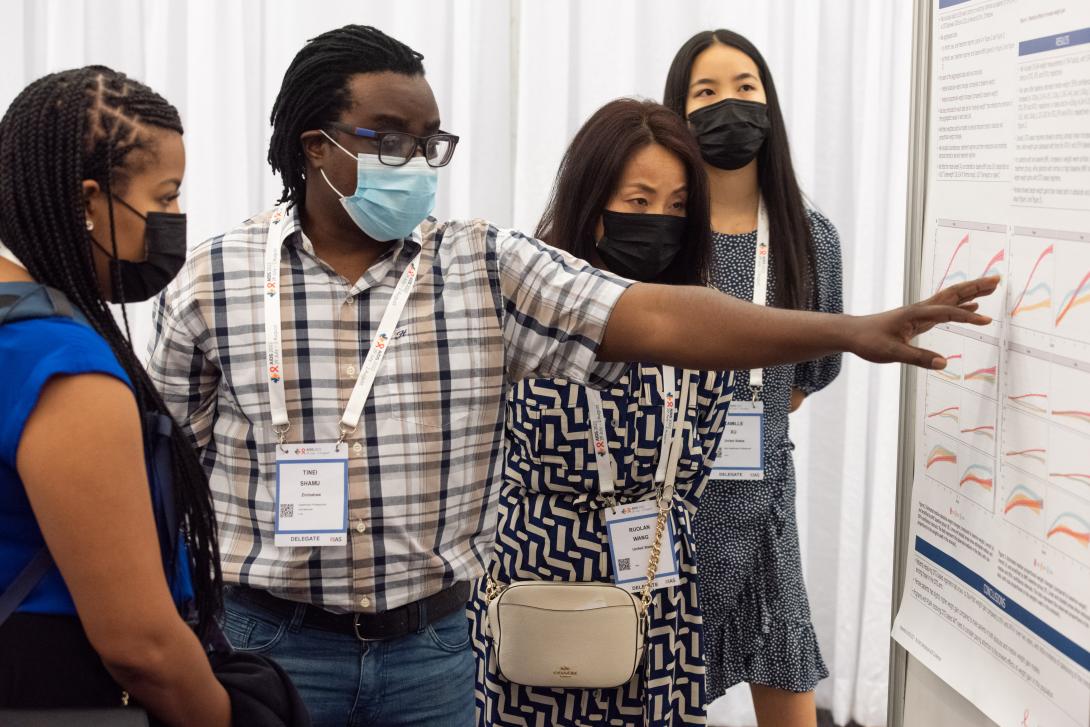
A small number of abstracts will be selected for oral presentation. Most abstracts selected will be displayed as paper posters on site or as e-posters on IAS+.
Notification of acceptance or rejection to the corresponding author
Please note that all correspondence about the abstract will be sent exclusively to the corresponding author, who is responsible for informing all co-authors of the abstract's status. Notifications of acceptance or rejection will be sent to the submitting (corresponding) author by the end of March for both HIVR4P 2027 and IAS 2027.
The corresponding author is also responsible for confirming the abstract’s inclusion in the conference by the deadline provided. Confirmation can be completed only through the submission platform using the link included in the notification email. Once the abstract has been confirmed, the corresponding author will receive a confirmation email.
Registration
Confirming an abstract presentation and registering for the conference are separate steps. The author does not need to be registered for the conference in order to confirm their abstract presentation. However, the presenting author must be registered to attend the conference and deliver the presentation. Registration can be completed after abstract confirmation.
The presenting author, whose abstract has been accepted, will receive guidelines for the presentation of their abstract.
Rule of two
Each presenting author may present a maximum of two abstracts per conference. The number of submissions is, however, not limited. If an author has more than two abstracts accepted for presentation at a conference, a co-author must be named as the presenting author for one or more abstracts. The rule of two is applicable per conference, which means that one author may present up to two abstracts at HIVR4P 2027 and up to two abstracts at IAS 2027.
Each presenting author may also present one late-breaker abstract per conference.
Publication of accepted abstracts – HIVR4P 2027 and IAS 2027
The submission of an abstract constitutes the author(s)’ consent for publication. If the abstract is accepted, the author(s) agree that it is published under the Creative Commons Attribution (CC BY) license. The license allows third parties to share the published work (copy, distribute, transmit) and to adapt it for any purposes on condition that HIVR4P 2027 or IAS 2027 and authors are given credit and that, in the event of reuse or distribution, the terms of this license are made clear. Authors retain the copyright of their abstract, with first publication rights granted to the IAS.
Accepted abstracts may, therefore, be published on IAS websites and in such publications as the conference online programmes and abstract books and the IAS abstract archive. Oral abstracts for both conferences are also published in the Journal of the International AIDS Society (JIAS).
Co-submission – IAS 2027
Abstract submitters
The IAS has approved several conferences for abstract co-submission leading up to IAS 2027. This means that you will be able to submit your abstract to the selected conferences and to IAS 2027 without breaking our embargo policy. Co-submission does not apply to IAS 2027 late-breaker abstracts. Conference organizers have until 31 March 2027 to request co-submission.
Once conferences/events have been approved for co-submission, they will be listed below. At the moment, no conferences/events have requested, or been approved for, co-submission.
Note that HIVR4P 2027 is not approved for co-submission with IAS 2027. The same abstract cannot be submitted to both conferences.
Conference or meeting organizers
If you are inviting authors to present abstracts at your conference or meeting in the run up to IAS 2027, you may wish to consider applying for abstract co-submission with IAS 2027. Co-submission means that selected abstracts may be presented at your event and at IAS 2027 without breaking the embargo policy, even though your event will take place before the conference.
To apply for co-submission of abstracts with IAS 2027, your event should meet the following conditions:
- The event must be closed.
- Delegates will attend the event on an invite-only or paid-registration basis (that is, sessions are not open to the general public).
- Media representatives are not invited, or they must agree to comply with the conference embargo policy.
- Any sessions involving co-submitted abstracts that will be recorded must comply with the conference embargo policy.
- A final list of abstracts presented at the event must be shared with the IAS before the event.
- Authors must submit their abstract using the IAS 2027 submission system if they wish to be considered for inclusion in IAS 2027.
In addition, although not mandatory, for events that meet the conditions, it is strongly recommended that organizers apply for IAS 2027 Affiliated Independent Event status.
If you wish to apply for co-submission for your conference or meeting, please contact us at abstracts@iasociety.org. The deadline to apply for co-submission is 31 March 2027.
There will not be any co-submissions for HIVR4P 2027.
Scholarships
Abstract presenters interested in applying for a scholarship must submit their application by 20 January 2027. Please visit the Scholarships page for more information.
Questions?
For questions, please see the FAQs below. If we haven’t answered your question below, please email abstracts@iasociety.org.
FAQs
What is an abstract?
For HIVR4P 2027, the 6th HIV Research for Prevention Conference, and IAS 2027, the 14th IAS Conference on HIV Science, an abstract is a standalone statement that briefly explains the essential information of a study, research project, policy or programme.
Where can I read more about the scientific tracks and categories?
You can find detailed descriptions of the scope and objectives of each scientific category, as defined by both HIVR4P 2027 and IAS 2027 Organizing Committees, on the abstract submission page.
When is the submission deadline for abstracts?
The deadline for submission of abstracts for both HIVR4P 2027 and IAS 2027 is 20 January 2027, 23:59 CET.
My project is ongoing and there are no results yet. Should I submit an abstract?
Abstracts are intended to present scientific studies, research, programmes and policies, highlighting the methods and/or description and results and/or recommendations. If you are describing a study that is still in the planning stage, it would not be suitable for submission unless the methods that you use are, for example, of particular scientific interest. However, if your study is ongoing and you have preliminary data that seem relevant or significant, please submit an abstract.
What is a late-breaker abstract?
Late-breaker abstracts must present data gathered and generated after the regular abstract submission deadline (20 January 2027) that is of unquestioned significance and meets a high threshold of scientific merit. Data analysed after the regular submission deadline should not be submitted as late breaking. The late-breaker deadline is not a second deadline for incomplete or delayed abstract submissions.
The percentage of abstracts selected as late breakers depends on the number of submissions made, but selection is more rigorous than for regular abstracts. A small number of late-breaker abstracts will be accepted for presentation orally or as posters in each conference.
During their abstract submission, authors will have to declare the reason why their abstract is a late breaker. The same submission rules apply for late-breaker abstracts as for regular abstracts, but each presenting author may present only one late-breaker abstract in each conference. Late-breaker abstract submission for both conferences will be open from 25 March to 21 April 2027.
What is the required structure for an abstract?
An abstract consists of a title, author list and abstract text no longer than 350 words. It can include tables, graphs and/or images. Literature references should not be included. The structure of abstracts differs for HIVR4P 2027 and IAS 2027; you can read more about the details of each structure here.
Can I submit the same abstract to both conferences?
An abstract may be submitted to either HIVR4P 2027 or IAS 2027, but not to both. As the conference scopes are distinct, an abstract may only be submitted to one conference. The HIVR4P 2027 and IAS 2027 Organizing Committees reserve the right to transfer an abstract to the other conference if it is considered a better fit for that programme.
How do I submit an abstract?
Before submitting an abstract, you will be asked to create a conference account. One or several abstracts can be submitted through this account.
To submit abstracts, please log in to your conference account and click on the “Abstract submission” box on the overview page. Then click on the button, “Submit an abstract”, for the relevant conference. In the abstract submission system:
Select the category and country of research. Enter your abstract title and text.
Enter the presenting author and co-authors (individually).
Preview your abstract and check the format and correctness.
Submit your abstract.
After an abstract has been created, modifications can be made at any time until the submission deadline. After submission, the abstract submitter will receive a confirmation email with an abstract reference number. Please include this reference number in all conference correspondence.
Once submitted, can I still modify my abstract?
After an abstract has been submitted via the conference account, modifications can be made until the submission deadline, 20 January 2027. After making your modifications, you need to resubmit your abstract. No modifications will be accepted after 20 January 2027.
How should I write the title of my abstract?
A good abstract title is short, specific, representative and informative. It helps reviewers categorize your abstract and, if accepted, it helps conference delegates find your presentation. The title should summarize your abstract without going into excessive details. Describe the topic clearly, including, for example, the population, country and issue of the research. Titles are limited to 30 words.
Can I include a table, graph or image in my abstract?
It is permitted but not mandatory to include tables, graphs and/or images in the abstract. A maximum of two tables, graphs or images in total can be included.
Please create your table or upload your graph or image in the abstract submission system. Place the table, graph or image into your abstract text and save the changes. Review the abstract preview page to ensure that your table, graph and/or image display properly.
How many co-authors can I include?
There is no limit to the number of co-authors per abstract, although we strongly recommend the use of a study group name for abstracts with a high number of co-authors. A person can be listed as a co-author if they meet ALL the following criteria:
They made substantial contributions to concept and design, acquisition of data or analysis and interpretation of data.
They drafted the abstract or revised it for intellectual content.
They approved the final version to be submitted.
Do I need to disclose information about any conflicts of interest in my abstract?
If the abstract is accepted, presenting authors must disclose all financial and personal relationships that might be perceived as biasing their work. The IAS asks that they disclose any conflicts of interest at the time of presentation for the benefit of delegates. This is to guarantee that all potential conflicts of interest are recognized and that mechanisms to resolve them before the conference are implemented.
Material presented in abstracts should not violate any copyright laws. If figures, graphics and/or images have been taken from sources not copyrighted by the author, it is the author’s sole responsibility to secure the rights from the copyright holder in writing to reproduce those figures, graphics and/or images for both worldwide print and web publication. The author must bear all reproduction costs charged by the copyright holder.
Who selects the abstracts and decides how they will be presented?
All submitted abstracts will go through a blind peer-review process by international reviewers. At least three reviewers will review each abstract. HIVR4P 2027 and IAS 2027 Organizing Committees make their final selection of abstracts to be included in the conference programme.
A small number of abstracts will be selected for oral presentation in a session. Most abstracts selected for each conference will be presented as paper posters on site or as e-posters on the IAS+ platform.
How can I increase the chances of my abstract being accepted for HIVR4P 2027 or IAS 2027?
The methodology or study design presented in your abstract should be appropriate to address the purpose and objectives. Results or lessons learnt should be clearly presented and support the conclusions. The findings should contribute to the advancement of knowledge and development in the field.
If English is not your native language, we strongly recommend that you arrange for a native English speaker working in your field to review your abstract before submission.
Please use the UNAIDS terminology guidelines and the People First Charter when drafting and submitting your abstract. Please ensure that you DO NOT use stigmatizing language. DO use: people or person living with HIV; person or people with TB; person or people living with HIV and TB; healthcare seekers or clients. DO NOT label people as: HIV-infected; infected; co-infected; cases; carriers; victims; patients.
You can check the common reasons for abstract rejection in the abstract submission guidelines found further up on this page.
You can also review examples of abstracts from previous conferences.
The IAS remains determined to assist less-experienced and early-career researchers in improving their abstract submissions through innovative mentorship and learning initiatives. We invite you to watch the JIAS workshops and visit the IAS+ learning platform.
When will I be notified if my abstract submission has been successful?
We will send notification of acceptance or rejection to the submitting (corresponding) author for both conferences by the end of March 2027 for the regular submission.
I need a certificate that shows that my abstract was presented at one of the conferences. Who do I contact?
To obtain an abstract presentation certificate, please contact abstracts@iasociety.org.
Who has the copyright for my abstract after submission?
The submission of the abstract constitutes the authors’ consent to publish. If the abstract is accepted, the authors agree that it can be published under the Creative Commons Attribution (CC BY) license. The license allows third parties to share the published work (copy, distribute, transmit) and adapt it for any purposes on condition that HIVR4P 2027 or IAS 2027 and the authors are given credit and that, in the event of reuse or distribution, the terms of this license are made clear. Authors retain the copyright of their abstracts, with first publication rights granted to the IAS.
Will there be an abstract book for HIVR4P 2027 or IAS 2027?
Electronic abstract books will be available free of charge on the conference website immediately after IAS 2027 concludes.
Where will my abstract be published?
Accepted abstracts will be published on IAS websites, in the HIVR4P 2027 and IAS 2027 online programme, in other conference materials and in the IAS abstract archive. For both conferences, oral abstracts will be published in the Journal of the International AIDS Society (JIAS).