
Events
Upcoming events
11 Oct 2026
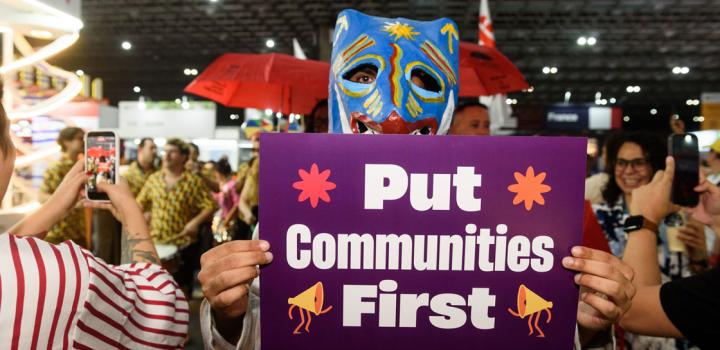
Advancing equitable, person-centred HIV prevention and care in Europe – a World Health Summit 2026 side event
Invitation-only roundtable on person-centred, community-led HIV prevention, care and policy at WHS 2026
View details View details
19 Oct 2026
Science, policy and community: The next priorities for a sustainable HIV response in Malawi
IAS Educational Fund scientific symposium in Lilongwe, organized in partnership with Partners in Hope
View details View details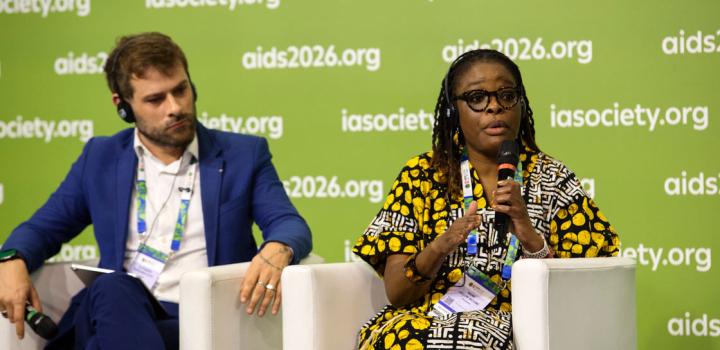
20 Oct 2026
From publication to practice: Translating research for media and the public
Following the public release of HIV science presented at AIDS 2026, the 26th International AIDS Conference, this webinar will equip HIV researchers with practical tools to communicate their science. Publishing research is only the beginning of the journey from evidence to impact. Scientific findings influence practice, policy, advocacy and public understanding only when they are communicated clearly, accurately and in ways that resonate with different audiences. In HIV, research only achieves its full value when it informs decisions, changes practice, strengthens advocacy efforts, or improves the lives of people affected by HIV. Yet, most researchers receive little formal training in communicating beyond academic journals and conference presentations. Through expert insights and real-world examples, webinar participants will explore strategies to adapt messages for different audiences while maintaining scientific accuracy, credibility and people-centred language. The webinar is designed for researchers at all career stages who want their work to have greater visibility, reach and influence beyond academia. Moderator:Linda-Gail Bekker, Co-Editor-in-Chief, Journal of the International AIDS Society, South AfricaSpeakers:Greg Millett, amfAR, USAJuan Michael Porter II, US People Living with HIV Network, USANadine Lindinger, Desmond Tutu Health Foundation, South Africa
View details View details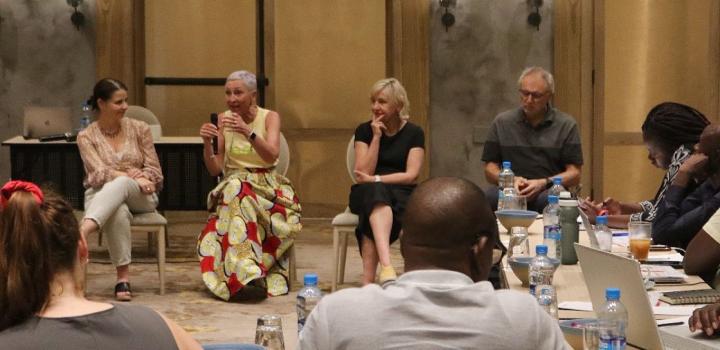
23 Nov 2026 - 26 Nov 2026
HIV Vaccine Science Academy (6th edition)
The academy will support 15 early- and mid-career investigators conducting HIV vaccine research in Africa.
View details View details
12 Jul 2027 - 15 Jul 2027
The 14th IAS Conference on HIV Science
IAS 2027, the 14th IAS Conference on HIV Science, will take place in Geneva, Switzerland, and virtually from 12 to 15 July 2027.
View details View details