AIDS 2026, the 26th International AIDS Conference
AIDS 2026 will take place in Rio de Janeiro, Brazil, and virtually on 26-31 July 2026.
Join us
We convene, educate and advocate for a world in which HIV no longer presents a threat to public health and individual well-being.
Joint statement
Annual Letter 2026: Rethinking the HIV response
Annual Letter
Annual Letter
News release
The IAS unites the global HIV response because progress happens when science, policy and activism come together. Here’s how we do this:

AIDS 2026
The 26th International AIDS Conference
AIDS 2026, the 26th International AIDS Conference, taking place in Rio de Janeiro, Brazil, and virtually on 26-31 July 2026.
View detailsEvents
26 Jul 2026
AIDS 2026 pre-conference, "Advancing HIV prevention science and access"
To accelerate progress in HIV prevention, it is increasingly important to translate emerging scientific innovations into real-world impact. Recent breakthroughs, including the approval of lenacapavir, the first twice-yearly injectable PrEP, alongside advances in broadly neutralizing antibodies, mRNA-based platforms and immunogen design, are expanding the range of prevention options. However, these advances will have impact only if they are affordable, accessible and delivered at scale, particularly in low- and middle-income settings and for people most affected by HIV.
View details View details26 Jul 2026
AIDS 2026 HIV cure pre-conference, "HIV cure without borders: Science, community and Latin America and Caribbean perspectives"
The pre-conference will strengthen community and clinical understanding of HIV cure research priorities. View details View details26 Jul 2026
AIDS 2026 pre-conference: 12th Symposium on Children and Adolescents with Perinatal HIV Exposure
As of 2024, an estimated 16 million children under 15 years of age had been perinatally exposed to HIV globally and were born HIV-free. An expanding body of evidence shows that these children experience a higher likelihood of infectious morbidity, mortality, impaired growth and suboptimal neurodevelopmental and cognitive outcomes than peers born to mothers without HIV, with the aetiology of these adverse outcomes reflecting an interplay of biological, social and structural factors.
View details View detailsSee us make a difference
Sign up to receive our newsletter. Stay updated on our efforts and impact and learn how to make a difference.
Get to know the IAS Educational Fund participants
“This meeting provided a platform for key populations’ needs to be integrated into the agenda and also have a presence at the meeting – because community is at the heart of the science and the HIV response.”
Read more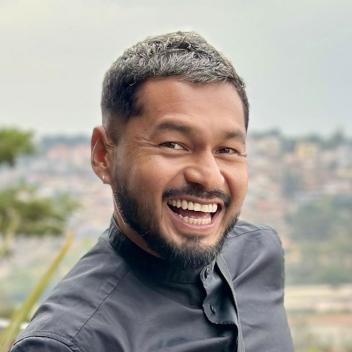
Kevin Mendez

The IAS at a glance
We unite scientists, policy makers and activists to galvanize the scientific response, build global solidarity and enhance human dignity for all people living with and affected by HIV. Here are some numbers that show how we do that.
676
IAS change makers. Carefully selected HIV researchers, advocates, healthcare providers and others help us drive an evidence-based HIV response that puts people first.
10,000+
IAS Members worldwide. We convene people from diverse backgrounds to drive a shared vision of a world in which HIV is no longer a threat to public health and individual well-being.
4,219
Scientific studies shared through our conferences and the Journal of the International AIDS Society in 2022/23. We advocate for evidence-based progress to improve the lives of people living with and affected by HIV.
Quick links to our activities
Closing scientific gaps
Collaborative Initiative for Paediatric HIV Education and Research (CIPHER) Global HIV Vaccine Enterprise Towards an HIV CureDisseminating the latest research
IAS Educational Fund Journal of the International AIDS Society (JIAS)Improving health services
Community-Led Monitoring Differentiated Service Delivery Heart of Stigma Mark Wainberg Fellowship Programme Person-Centred Care Youth HubThe IAS promotes the use of non-stigmatizing, people-first language. The translations are all automated in the interest of making our content as widely accessible as possible. Regretfully, they may not always adhere to the people-first language of the original version.